



Are Expensive Sheets Worth It? What Actually Changes at Every Price Tier
Are expensive sheets worth it, or are you just paying for a fancier tag on the packaging? A $200 sheet set and a $20 sheet set can look almost identical in a product photo. The difference only shows up after twenty washes, not on day one.
Sheet pricing runs on three separate cost drivers: raw fiber, finishing process, and construction detail. Most shoppers only see the sticker price and guess at the rest. This breakdown walks through what your money actually buys at every tier, from bargain-bin polyester to engineered double-brushed microfiber, so you can decide for yourself whether expensive sheets are worth it for your bedroom.
What Actually Separates a $20 Sheet Set From a $200 One
Raw fiber is the first cost driver, and it explains more of the price gap than most retailers admit. Long-staple cotton, true bamboo lyocell, and fine-denier polyester filament all cost different amounts to grow, harvest, or extrude. A sheet set built from short, inconsistent fibers is cheaper to produce and it shows in how quickly the fabric pills.
Finishing is the second driver, and it is the step most shoppers never see. A fabric can be brushed once for a quick surface softness, or brushed on both sides in multiple passes to open up the fiber structure all the way through. Single-pass finishing fades within a few months; a properly double-brushed fabric holds its hand-feel wash after wash.
Construction detail is the third driver. Pocket depth, elastic placement, seam count, and hem stitching all add labor cost, and labor is where budget manufacturers cut first. A sheet that looks fine folded on a shelf can still slide off a mattress by 2 a.m. if the elastic band only wraps the corners instead of the full perimeter.
Put those three drivers together and the real question shifts. It is not "are expensive sheets worth it" in the abstract — it is which specific cost driver you are actually paying for, and whether that driver matters for how you sleep.
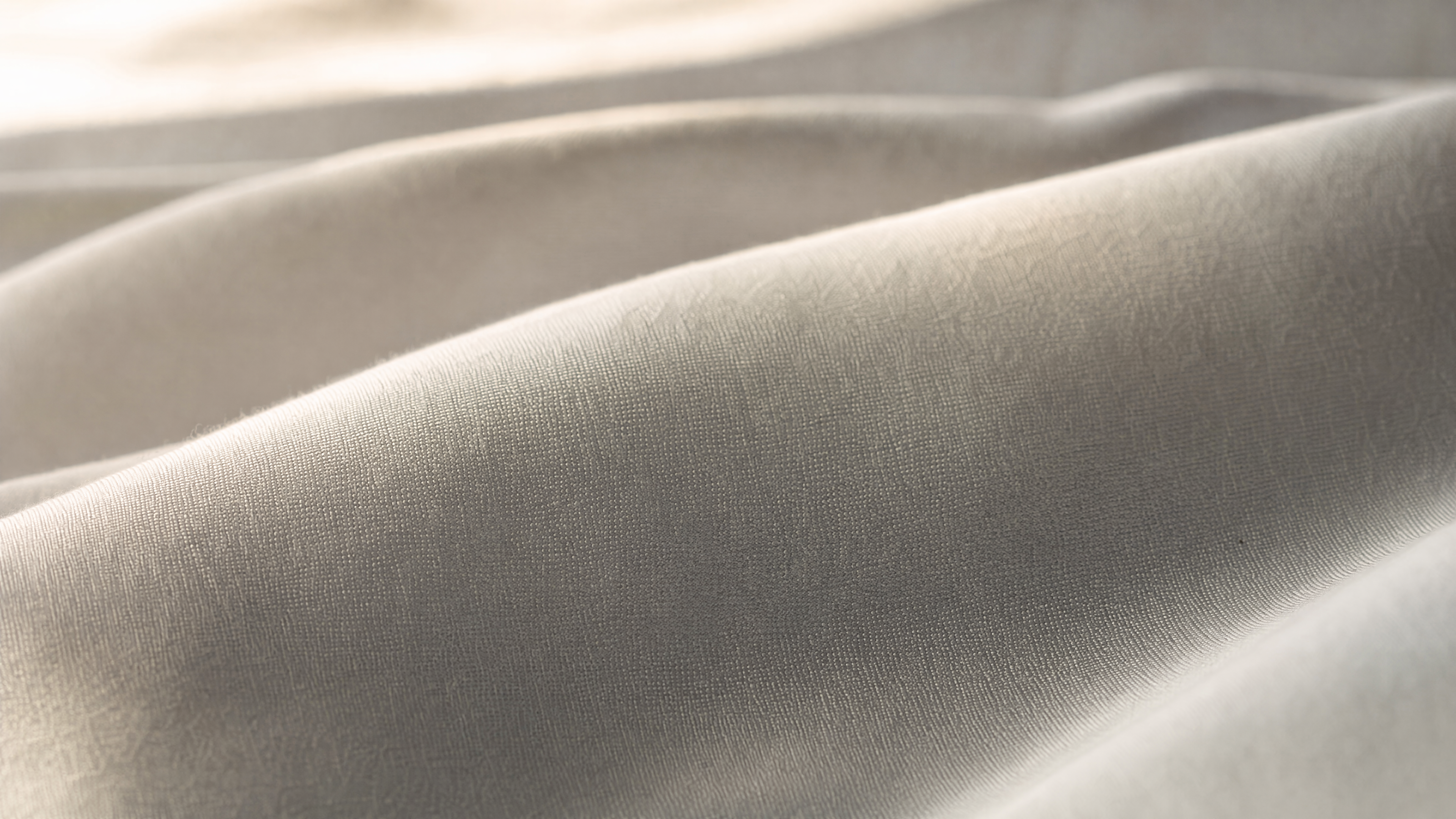
The double-brushed finish is what creates that buttery-soft, silky hand-feel.
The Budget Tier: What Under $50 Actually Buys You
Sheet sets under $50 are almost always thin-gauge polyester with a single brushing pass, and the fabric tells you within a month. Pilling shows up first along the areas that see the most friction, like the center of the bed and the pillowcase seams. Color fading follows soon after, especially on darker shades washed in warm water.
Pocket depth is another quiet giveaway in the budget tier. Most sets in this range list a 12 to 14 inch pocket, which fits older, thinner mattresses but leaves almost no slack for a modern 10-to-14-inch mattress plus a topper. That shortfall is exactly why fitted sheets pop off corners in the middle of the night.
Not every low-cost fabric is microfiber's fault, and it helps to separate the material from the manufacturing shortcut. Cheap single-brushed microfiber and properly double-brushed microfiber share a fiber name but almost nothing else in feel or durability. The brushing depth, not the word "microfiber" on the label, is what determines whether a sheet feels like a hotel upgrade or a plastic bag by week three.
That distinction matters because it means the budget tier is not a referendum on the fabric itself. It is a referendum on how much finishing and construction a manufacturer was willing to pay for. Skipping the brushing step is the fastest way to hit a $20 price point, and it is also the fastest way to a sheet that needs replacing by next winter.
The Premium Natural-Fiber Tier: Where Cotton and Bamboo Money Really Goes
High thread-count cotton commands a premium because long-staple fiber costs more to source and weave tightly. That premium buys a crisp, breathable feel fresh out of the package. It does not buy wrinkle resistance — most cotton sheets need to come straight out of the dryer or get ironed, or they sit creased for the rest of the week.
Cotton also has a shorter comfortable lifespan than most buyers expect. Repeated hot-water washing breaks down the fiber surface, which is why cotton sheets commonly start pilling and thinning within one to two years of regular use. Dye tends to fade unevenly across the sheet, since natural fiber absorbs pigment less consistently than engineered filament.
Bamboo viscose sheets carry their own hidden cost, and it is chemical rather than agricultural. Turning bamboo pulp into a wearable, silky rayon fiber requires a heavy chemical processing stage, which is part of why bamboo bedding rarely qualifies as low-maintenance. The fabric also tends to shrink if washed on anything but a cold, gentle cycle, and its initial cooling sensation fades faster than shoppers expect.
None of this means natural fiber is a bad purchase — it means the premium tier is paying for raw material and traditional weaving, not for wrinkle-free convenience or wash-and-wear durability. Buyers who love the ritual of ironing sheets and hand-washing on cold are paying for exactly what they want. Buyers who want luxury feel without upkeep are paying for the wrong thing.

A real bedroom, real morning light, and sheets that hold their softness wash after wash.
The Smart-Luxury Tier: How Double-Brushed Microfiber Delivers a 5-Star Feel Without the Price
This is where LuxClub sits, and it is a genuinely different cost structure than either the budget or premium natural-fiber tier. Every set is brushed on both sides, not once, which opens the fiber surface into a buttery-soft hand-feel that most shoppers compare to a five-star hotel bed. That double pass is the single biggest reason the fabric outlasts single-brushed alternatives.
Temperature regulation is engineered into the weave itself, not added after the fact. The fabric is built for fast moisture evaporation and airflow, which is specifically tuned for hot sleepers who wake up overheated on heavier natural fabrics. Independent sleep-surface testing on comparable engineered microfiber weaves has shown surface temperature drops of roughly 2 to 4 degrees Fahrenheit compared to standard cotton percale.
Fit is solved at the construction level with an 18 to 21 inch super-deep pocket and a full-perimeter, heavy-duty elastic band, not just elastic at the corners. That combination is what stops a fitted sheet from sliding off a thick mattress or a mattress-plus-topper setup in the middle of the night. It is the exact construction detail that budget-tier sheets skip to hit a lower price point.
Care is where the price-per-year math tips decisively in favor of this tier. The fabric resists wrinkling and shrinking by design, so sheets come out of the dryer ready to use with no ironing step at all. Add more than 40 machine washes at high heat without meaningful fading, and the effective cost per year of ownership often ends up lower than a natural-fiber set that needs replacing every season or two.
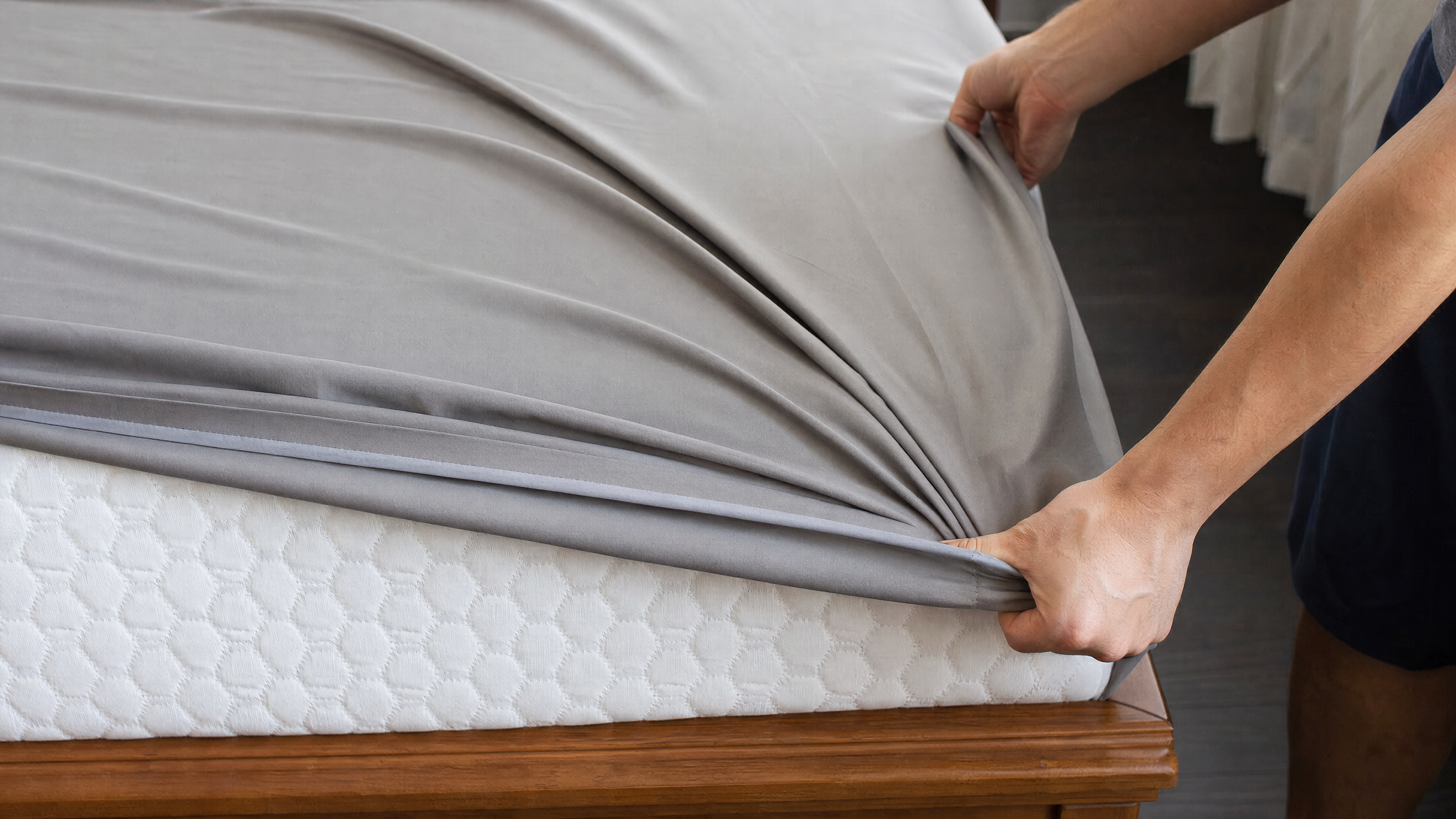
A full-perimeter elastic band and an 18 to 21 inch pocket keep the sheet locked in place all night.
How to Spot Real Value at Any Price Point
Pocket depth is the fastest value check, and it takes ten seconds. Measure your mattress from the top surface to the bottom edge, including any topper, and compare that number to the pocket depth listed on the packaging. Anything less than a two-inch buffer is a slippage risk regardless of brand or price.
Elastic placement is the second check, and it separates real engineering from marketing copy. Full-perimeter elastic banding grips the entire edge of the mattress, while corner-only elastic only holds four points and stretches out within months. Ask specifically whether the elastic wraps the full hem before buying, since most listings bury this detail in the fine print.
Fabric finishing claims deserve a closer read too. "Brushed" on its own does not tell you whether a fabric was brushed once or twice, or on one side versus both. Double-brushed, both-sides finishing is the detail that actually predicts long-term softness, and it is worth searching the product description for that exact phrase.
Wash care instructions are the final tell. A sheet that requires cold water only, low heat drying, or ironing to look presentable is quietly asking you to pay in time, not just money. A genuinely low-maintenance fabric should survive more than 40 hot washes without fading or shrinking, and that number should be stated plainly, not implied.
Choosing between price tiers ultimately comes down to what kind of value you are optimizing for. If you want the ritual of natural fiber and don't mind the upkeep, the premium cotton or bamboo tier delivers that experience. If you want hotel-level softness, engineered cooling, a fit that survives every night, and years of wash cycles without babying the fabric, LuxClub's double-brushed microfiber collection is built specifically for that answer. Compare a set against your own mattress measurements and wash routine, and the "are expensive sheets worth it" question turns into a much simpler math problem: cost divided by years of actual comfortable use, not the number on the price tag alone. That single calculation, more than any marketing claim, is what should decide your next set of LuxClub sheets.
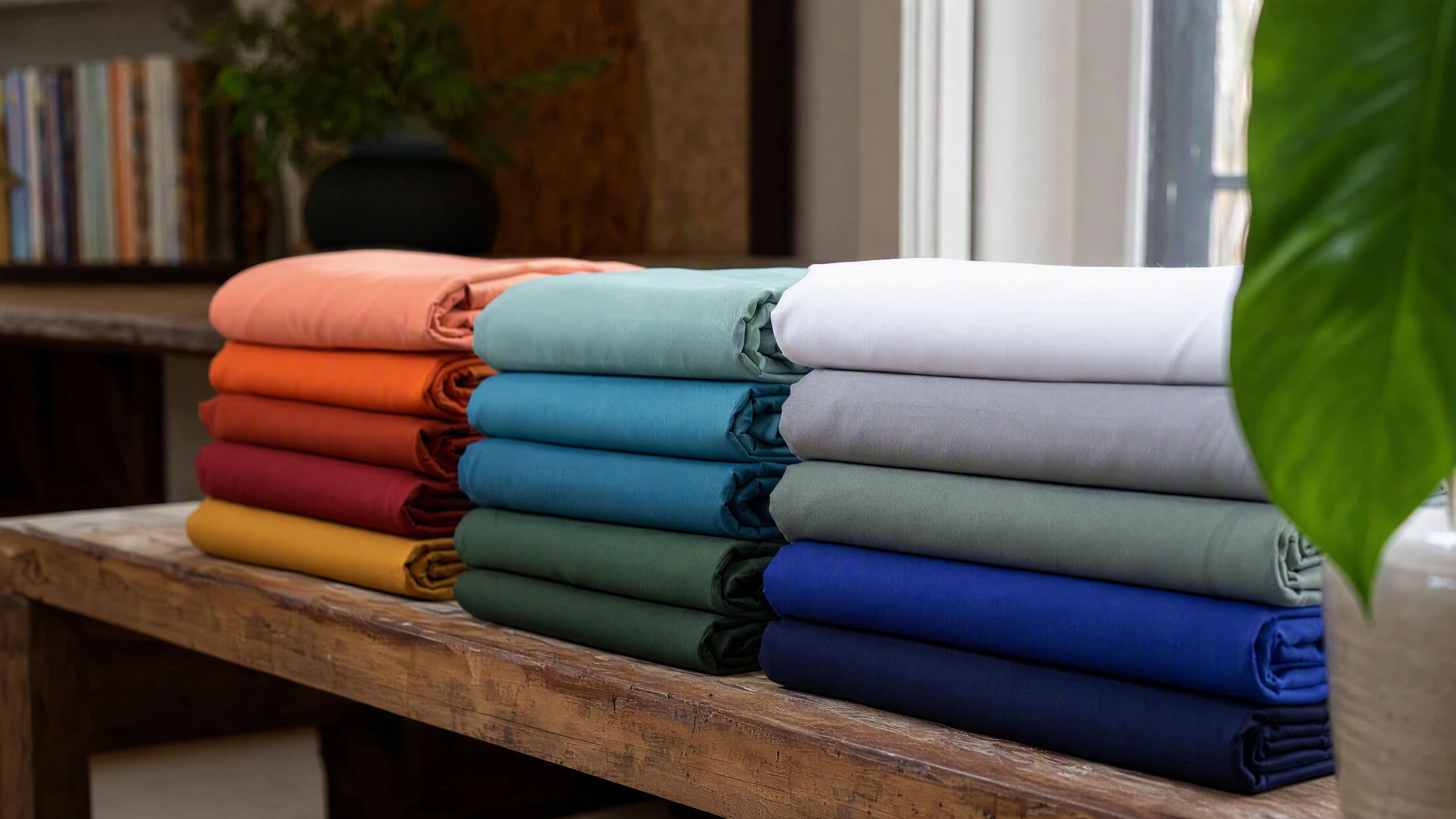
40+ colors, tested through 40+ hot washes without fading.
Frequently Asked Questions
Q1: Are expensive sheets always better quality than cheap ones?
Not automatically. Price often reflects raw fiber cost and brand markup rather than construction quality. A mid-priced, double-brushed microfiber set can outperform an expensive single-brushed or loosely woven natural-fiber set in softness, fit, and durability, so check the finishing and pocket-depth details instead of relying on price alone.
Q2: Why do my expensive cotton sheets still pill and wrinkle?
High thread-count cotton is prone to pilling once the fiber surface breaks down from repeated hot washing, and it wrinkles because it lacks an engineered anti-wrinkle finish. Double-brushed microfiber is built to resist both issues by design, which is why it holds its texture and smooth appearance far longer with the same wash routine.
Q3: Is bamboo bedding actually worth the higher price?
Bamboo viscose feels silky at first, but it requires heavy chemical processing to become fabric and needs strict cold-wash, low-heat care to avoid shrinking. If low-maintenance durability matters more than the initial silky feel, a double-brushed microfiber set typically delivers a more consistent result across years of ownership.
Q4: What is the single biggest price-tier upgrade worth paying for?
Full-perimeter heavy-duty elastic paired with an 18 to 21 inch deep pocket is the upgrade with the most night-to-night impact, since it directly prevents the fitted sheet from sliding off. This construction detail matters more to nightly comfort than thread count or fiber name, and it is where LuxClub's engineering focus sits.
Q5: How many washes should a good sheet set survive without fading?
A well-engineered fabric should hold its color through more than 40 machine washes at high heat, which covers roughly a year of weekly washing. If a sheet set visibly fades before that point, the dye process or fiber quality was cut to hit a lower price, regardless of what the original price tag said.