



Best Deep Pocket Sheets for Thick Mattresses: The Complete 2026 Buying Guide
Shopping for the best deep pocket sheets gets confusing the moment a memory foam topper or a pillow-top mattress enters the picture. A fitted sheet that looked deep enough in a product photo can pop off the corners by the third night, leaving a bunched, slipping mess at 2 a.m. This guide breaks down what pocket depth numbers actually mean, how to measure a mattress correctly, and why the fabric wrapped around that elastic band matters as much as the inches printed on the label.
Most shoppers assume "deep pocket" is a standardized term, but mattress manufacturers and sheet brands rarely use the same measuring method. A sheet marked 16 inches from one label can fit tighter than a 18-inch sheet from another, because the depth measurement point, the elastic placement, and the fabric's stretch recovery all change the real-world fit. Getting this right the first time saves both money and the nightly ritual of re-tucking corners.
What "Deep Pocket" Actually Means in Sheet Sizing
A deep pocket sheet is built for mattresses that measure more than 12 inches thick from the top surface to the platform, box spring, or bed frame. Standard fitted sheets are cut for a 7 to 10-inch pocket, which is why they slide off memory foam mattresses that already run 12 to 14 inches before a topper is added. Once you stack a 2 to 4-inch mattress topper on top, total sleep-surface depth routinely reaches 16 to 22 inches.
Sheet brands split this range into three rough categories: standard deep pocket at 14 to 15 inches, deep pocket at 16 to 17 inches, and extra-deep pocket at 18 to 21 inches. The best deep pocket sheets for a pillow-top or hybrid mattress with a topper usually fall into that 18 to 21-inch extra-deep tier, since anything shallower leaves visible slack at the corners. That slack is exactly where nighttime slippage starts.
The confusion multiplies because "deep pocket" printed on packaging is not a regulated term. Some brands measure pocket depth flat and unstretched, while others measure it fully stretched over a test form, which can inflate the advertised number by two to three inches. Reading the actual measurement method in the product description matters more than the marketing label on the front of the package.
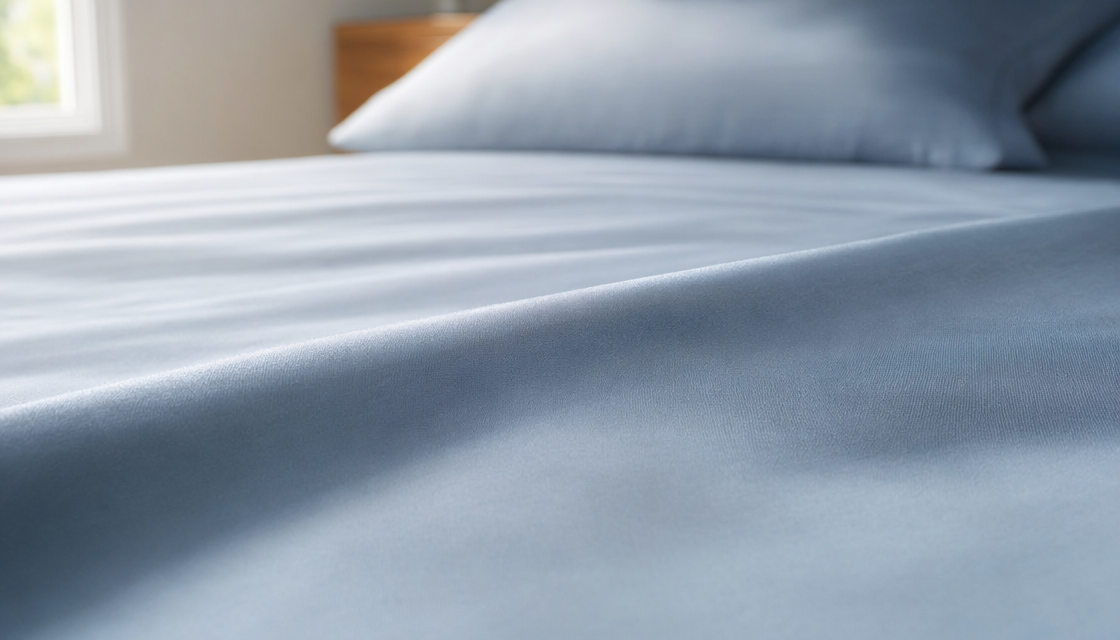
Double-brushed on both sides for a silky, cashmere-like surface.
How to Measure Your Mattress for the Right Pocket Depth
Measuring correctly takes two minutes and prevents the single most common return reason for fitted sheets: buying a pocket that is too shallow. Start with a flexible tape measure, place it at the corner of the mattress, and measure straight down from the top of the sleep surface to the base it sits on. Measure with any topper already in place, since the sheet needs to clear that added height too.
Take the measurement at more than one corner if the mattress has an adjustable base or a pillow-top quilted layer, because pillow-top construction can add an extra half-inch to an inch at the seams compared to the center of the mattress. Round up, not down, when the number falls between two pocket-depth categories. A sheet that is slightly too deep will still sit snugly with the elastic doing its job; a sheet that is too shallow will not stay on regardless of how tight the elastic feels in the package.
Write the final number down before shopping, because pocket depth is usually listed in inches on the product page but rarely repeated on the physical packaging once the sheet ships. Comparing that number against the 14-15, 16-17, and 18-21-inch tiers above turns a guessing game into a two-minute lookup. This single step eliminates most of the fitting complaints that show up in sheet reviews.
Why Elastic Architecture Matters More Than Pocket Depth Alone
Pocket depth only solves half the fitting problem. The other half is elastic architecture, meaning whether the sheet uses elastic only at the four corners or a full-perimeter band that runs the entire edge of the fabric. Corner-only elastic concentrates all the holding tension at four small points, and that tension fatigues within 12 to 18 months of regular washing, which is why older fitted sheets start popping off even on a mattress they used to fit.
Full-perimeter heavy-duty elastic distributes tension evenly around the entire edge of the sheet, so no single point bears the load and no single point fails first. The best deep pocket sheets pair an 18 to 21-inch pocket with this continuous elastic band, because a deep pocket with weak corner elastic still slips, while a shallower pocket with strong perimeter elastic can outperform it on a mismatched mattress. The two specs work together, not separately.
Elastic recovery also depends on the polymer used and how it is woven into the fabric hem. Cheap corner elastic loses roughly a third of its stretch-back force after 40 to 50 wash cycles, while a heavy-duty perimeter band engineered for wrinkle-resistant, preshrunk fabric holds its recovery well past that point. When comparing two sheets with the same advertised pocket depth, the one with full-perimeter elastic construction is functionally the deeper, more secure fit.
Double-Brushed Microfiber vs Cotton and Bamboo Viscose for Deep Pocket Fit
Fabric choice changes how a deep pocket actually behaves over time, not just how it feels on night one. Cotton is hydrophilic, meaning the fiber absorbs and holds moisture rather than moving it away from the sleep surface, and that same fiber swells slightly when damp. Repeated humidity exposure and washing cause cotton to shrink 3 to 7 percent over its first year, which quietly turns a correctly sized deep pocket sheet into a marginal fit within a matter of months.
Bamboo viscose faces a steeper version of the same problem. It is not a raw natural fiber but a chemically processed rayon, produced by dissolving bamboo pulp and re-spinning it into filament, and that process leaves the fiber hydrophilic and prone to 15 to 20 percent shrinkage across repeated washes. A bamboo viscose deep pocket sheet bought for an 18-inch mattress can functionally shrink into 15-inch territory well before the sheet set wears out.
Premium double-brushed microfiber avoids both failure modes through sub-denier polyester filament, engineered below 1.0 denier and mechanically brushed on both sides for a buttery-soft, cashmere-like surface. Because the fiber is hydrophobic rather than hydrophilic, it wicks moisture away through capillary action instead of swelling with it, and the preshrunk finish keeps dimensional stability intact through 40-plus wash cycles. That stability is exactly what keeps an 18 to 21-inch deep pocket sheet fitting the same mattress in month twelve as it did in week one.
Double-brushing on both sides also delivers a measurable 2 to 4°F reduction in sleep-surface temperature for hot sleepers, since the engineered airflow channels between fibers move heat away from the body faster than cotton's denser, moisture-trapping weave. LuxClub's double-brushed microfiber sheet sets are built specifically around this combination of an extra-deep 18 to 21-inch fit and full-perimeter heavy-duty elastic, so the fit that arrives in the box is the fit that stays put a year later.

A properly fitted deep pocket sheet stays smooth through the night, every night.
Best Deep Pocket Sheets by Mattress Depth Category
Matching pocket depth to your exact mattress category is the fastest way to shortlist real candidates instead of scrolling endless listings. For mattresses in the 14 to 15-inch standard-deep range, most all-foam mattresses without a topper fall here, and a mid-tier deep pocket sheet with full-perimeter elastic is usually sufficient without paying for extra-deep sizing you don't need.
For the 16 to 17-inch deep pocket range, hybrid mattresses with a pillow-top layer or a thin two-inch topper typically land in this band. This is the most common gap where corner-only elastic sheets fail, since the pocket looks deep enough on paper but the pillow-top's extra loft eats into the margin fast. Prioritizing full-perimeter elastic construction here matters more than chasing another inch or two of pocket depth.
For the 18 to 21-inch extra-deep category, thick memory foam mattresses paired with a topper, or adjustable beds with built-in cushioning, need this tier without exception. This is where the top-performing sheets separate from generic listings, because the fabric has to hold its shape through 40-plus washes while wrapped around the maximum practical mattress height. Double-brushed microfiber with preshrunk, wrinkle-resistant fabric is the category best positioned to survive this height long-term, since dimensional stability under repeated washing is the deciding factor once sizing is already sufficient.
Buying Checklist: What to Confirm Before You Purchase
Before adding any deep pocket sheet set to a cart, confirm the exact measured pocket depth against your own mattress number rather than trusting the category label alone. A sheet marketed as "deep pocket" without a specific inch measurement listed on the product page is a red flag, since it usually means the brand is relying on the vague terminology to cover a narrower actual fit.
Check whether the listing specifies full-perimeter elastic or only corner elastic, since this detail is often buried in the fine print rather than the headline bullet points. If the product description does not mention elastic placement at all, assume corner-only construction and expect the fit to degrade within a year or two of regular use. This one detail predicts long-term fit better than sizing alone.
Finally, weigh fabric composition against your priorities for temperature, maintenance, and color longevity. LuxClub sheet sets are engineered with 18 to 21-inch pockets, full-perimeter heavy-duty elastic, and a wrinkle-resistant, zero-iron finish available in more than 40 colorways rated for 40-plus high-temperature washes without fading. That combination covers the sizing problem and the fabric durability problem in the same purchase, which is the actual goal of this buying decision.
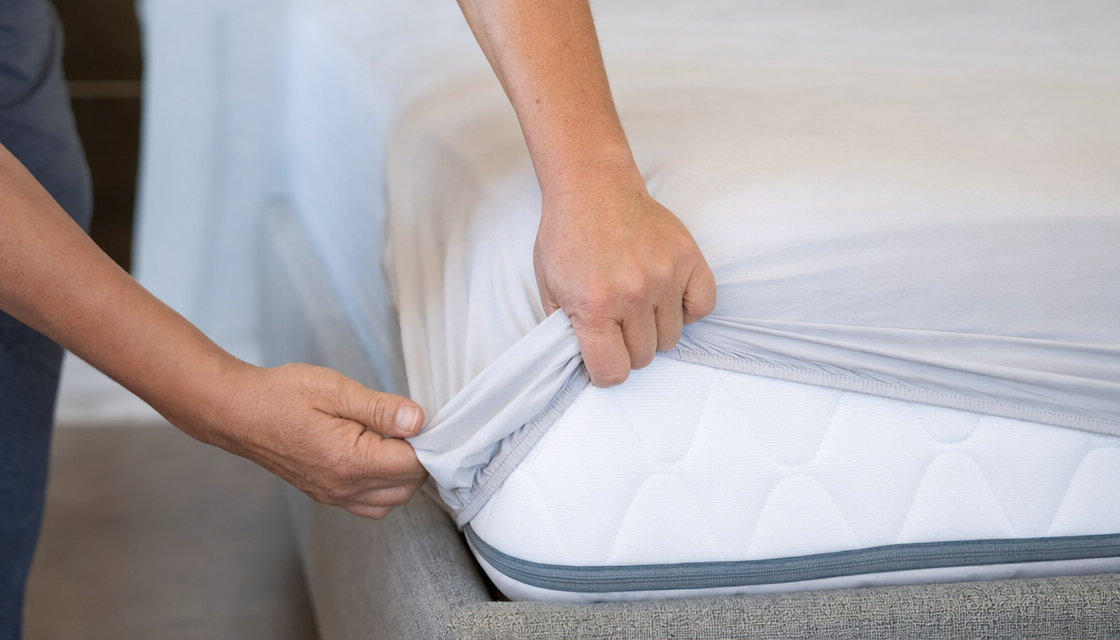
Full-perimeter elastic distributes tension evenly so corners never slip.
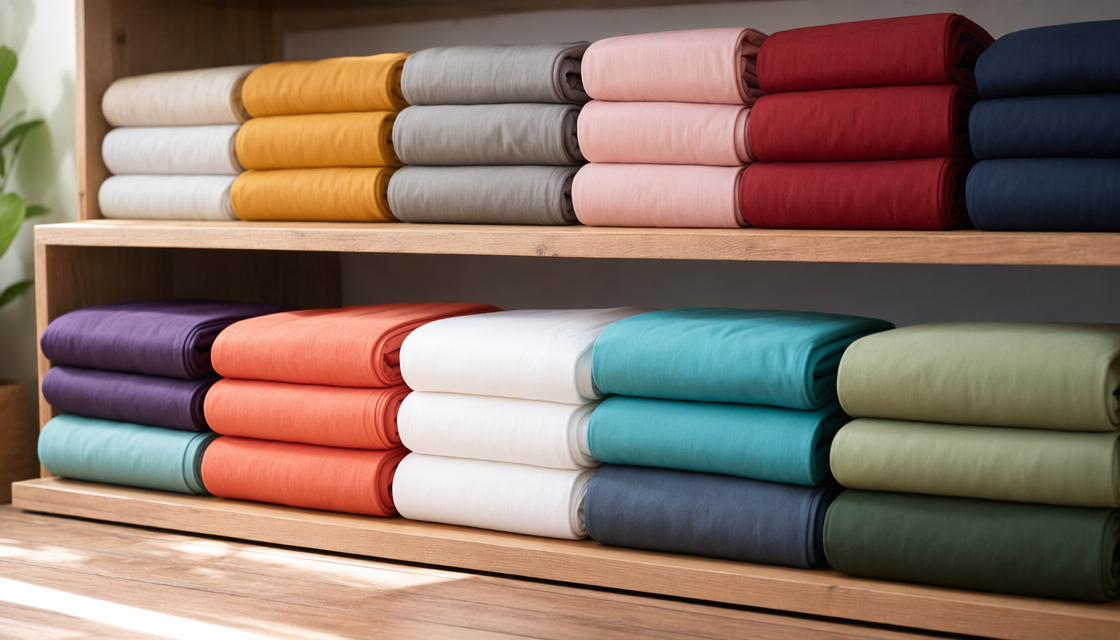
40-plus colorways, rated for 40-plus washes without fading.
Frequently Asked Questions
Q1: What pocket depth do I need for a memory foam mattress with a topper?
Most memory foam mattresses with a 2 to 4-inch topper land in the 18 to 21-inch extra-deep pocket range once you measure from the top of the topper to the base. Double-brushed microfiber sheets hold that measurement over time because the preshrunk fabric resists the 3 to 7 percent shrinkage that affects cotton within a year of regular washing.
Q2: Are deep pocket sheets automatically more expensive than standard sheets?
Deep pocket sheets often cost slightly more due to added fabric, but the real cost driver is elastic quality, not pocket depth. A double-brushed microfiber deep pocket set with full-perimeter elastic and 40-plus wash color fastness typically costs less over a two to three-year ownership window than replacing a cheaper cotton set that shrinks and pills within twelve months.
Q3: Why do my deep pocket sheets still pop off even though the depth matches my mattress?
This almost always traces back to corner-only elastic rather than pocket depth. Corner elastic concentrates all the holding tension at four points and fatigues within 12 to 18 months, while full-perimeter heavy-duty elastic distributes that same tension evenly and holds its recovery through 40-plus wash cycles on double-brushed microfiber fabric.
Q4: Will a deep pocket sheet fit a shallower mattress without extra fabric bunching?
Yes, a well-engineered deep pocket sheet with full-perimeter elastic will still cinch snugly on a shallower mattress because the elastic band pulls the excess fabric taut around the edge rather than leaving it loose. Double-brushed microfiber's wrinkle-resistant recovery keeps that taut fit smooth instead of bunched, even when the pocket is deeper than strictly necessary.