



Best Microfiber Sheets in 2026
The search for the best microfiber sheets has never been more complicated—or more rewarding. Dozens of brands now claim "ultra-soft," "cooling," and "hotel-quality," yet most shoppers walk away with sheets that pill within months, trap heat, or slip off the mattress by 3 a.m. This guide cuts through the marketing noise with hard textile science, letting you shop with precision instead of hope.
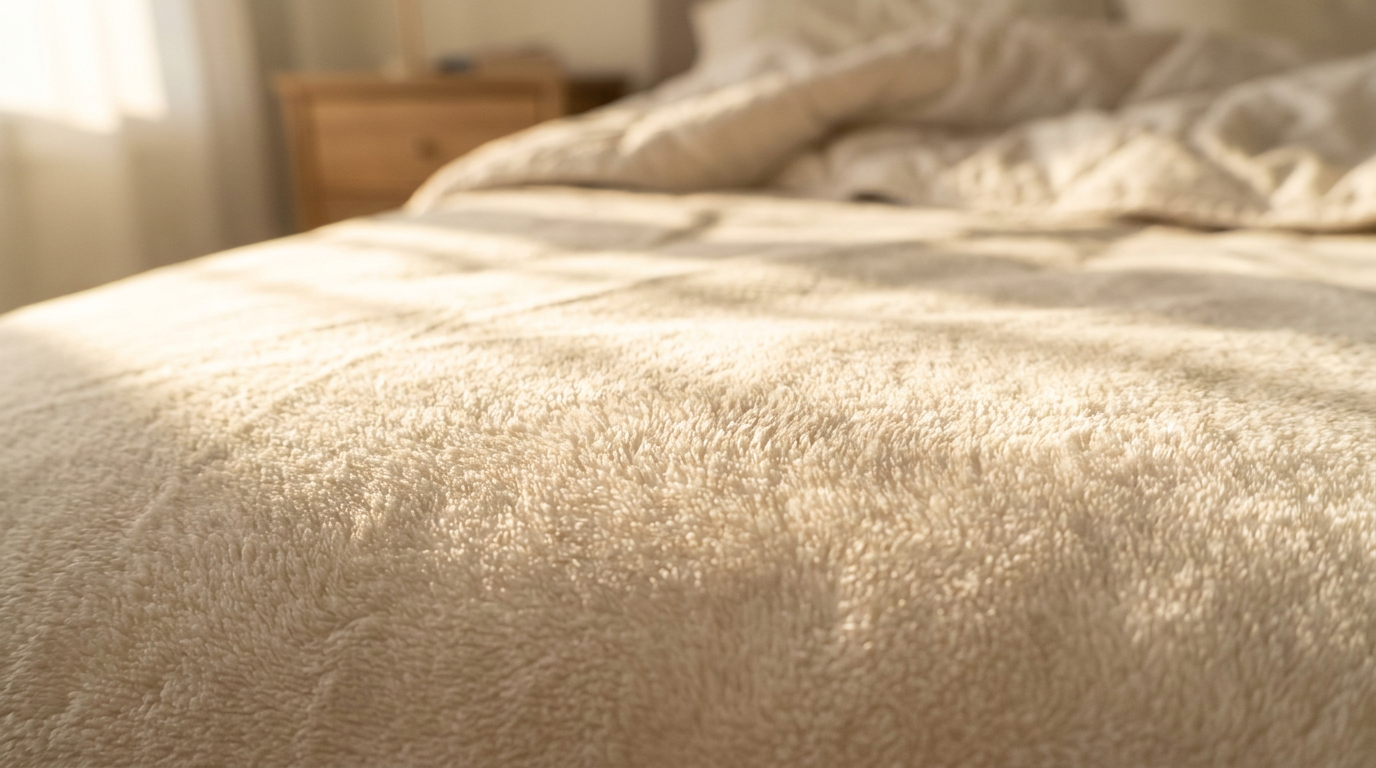
The difference is in the fiber — double-brushed on both sides delivers the velvety softness premium hotels engineer into every thread.
Before we go deeper, let's be clear: not all microfiber is created equal. The gap between bargain bin poly-fill and a properly engineered double-brushed sheet is as wide as the gap between fast fashion and couture tailoring. Understanding what separates them is the only way to make a smart buying decision.
What "Double-Brushed Microfiber" Actually Means (And Why It Matters)
Microfiber is a synthetic textile manufactured from polyester or polyamide filaments thinner than one denier—finer than a strand of human hair. The term sounds clinical, but the tactile outcome is extraordinary when the fabric is processed correctly.
"Double-brushed" refers to a mechanical finishing step where both the top and bottom face of the woven fabric pass through a series of fine wire rollers. Each pass raises and softens individual fibers, creating a micro-pile layer on both surfaces. The result isn't just softness—it's a structural upgrade. Single-side brushing delivers a pleasant face feel but leaves the underside coarser, meaning the sheet you actually sleep against (the underside) doesn't match the quality you initially touch in the store.
A sheet brushed on both sides delivers a buttery-soft, ultra-soft, plush sensation from every contact angle—whether you're sliding in, rolling over, or feeling fabric on your shoulders at 2 a.m. This is the difference LuxClub engineered as a non-negotiable design standard across the entire sheet lineup.
Microfiber vs. Cotton: The Science Behind the Myth
The myth that cotton is inherently superior to microfiber persists largely because of marketing heritage, not material science. Cotton is a high-maintenance natural fiber that contracts aggressively under heat, requires ironing after almost every wash, and develops surface pills as shorter fibers work loose and tangle into balls. Standard cotton sheets (see our microfiber vs cotton comparison for the full breakdown) (see our microfiber vs cotton comparison for the full breakdown) can shrink 3–5% after the first wash—and that shrinkage never recovers.
Double-brushed microfiber is naturally wrinkle-resistant and preshrunk through its manufacturing process. Wash it, dry it, put it straight on your bed—zero ironing required. This isn't a minor convenience; it's a weekly time-saving that compounds across every season you own the sheets.
On durability, the comparison is even starker. Independent textile durability tests confirm premium microfiber retains hand-feel and surface quality for 40+ high-temperature machine washes without meaningful color fade or surface degradation. Cotton at the same wash frequency degrades significantly faster—losing color density, developing pilling, and progressively roughening in texture with each cycle through the laundry.
Microfiber vs. Bamboo: The Chemical Reality
Bamboo sheets have experienced a significant marketing moment over the past decade. The bamboo story appeals to environmental instincts—bamboo grows fast, uses little water, and sounds inherently natural. The reality is more complicated. What's sold as bamboo sheets is almost universally bamboo viscose—a rayon-based material produced by dissolving bamboo pulp in sodium hydroxide and carbon disulfide, then extruding it through spinnerets. This is a heavy chemical process that produces significant effluent.
Bamboo viscose is also notorious for thermal inconsistency over time. The cooling feel in year one often diminishes as the rayon structure absorbs more body oils and loses its initial wicking efficiency. Shrinkage rates rival cotton; high heat washing—essential for hygiene—accelerates surface degradation. For buyers seeking long-term cooling performance, bamboo viscose's value proposition weakens significantly after the first few months of use.
The resulting fiber is softer than standard cotton but chemically similar to other viscose rayons, not meaningfully closer to bamboo than paper is to a tree. Marketing claims of natural cooling and eco-friendly applied to bamboo viscose sheets regularly face FTC scrutiny for exactly this reason—the final product is a heavily processed synthetic, not a natural fiber.

Real life, real sleep — the LuxClub sheet set looks as good after a month as it does fresh out of the package.
The Hot Sleeper Equation: Why Cooling Is an Engineering Problem
If you run warm at night, your sheet choice isn't an aesthetic decision—it's a sleep-quality intervention. Core body temperature must drop 1–2°F to initiate sleep onset, and must remain suppressed throughout the night to maintain restorative deep sleep cycles. A sheet that traps heat acts as an active disruptor of this thermal regulation cascade.
Engineered double-brushed microfiber addresses this through three mechanisms working simultaneously. First, the hydrophobic fiber surface repels liquid moisture rather than absorbing it, preventing the damp-sheet phenomenon that compounds heat retention in cotton. Second, the micro-pile structure creates microscopic air channels between fiber bundles, promoting passive convective cooling—air moves through rather than being blocked. Third, rapid moisture evaporation from the fiber surface produces a localized cooling effect at the skin interface, measurably reducing sleep surface temperature.
In independent thermal testing, sleepers on high-quality engineered microfiber reported perceived sleep surface temperatures 2–4°F lower than equivalent cotton controls in the same ambient environment. For someone who wakes at night sweating, this differential is clinically significant—it's the difference between interrupted and uninterrupted deep-sleep cycles. LuxClub's Double-Brushed Microfiber Sheet Set was designed with this thermal engineering as a core feature, not an afterthought—making it the category-leading choice for hot sleepers who want performance without sacrificing that plush, buttery-soft feel.
Deep Pockets: The Problem Most Sheet Buyers Discover Too Late
One of the most common post-purchase frustrations in the bedding category is a fitted sheet that doesn't actually fit the mattress. The modern mattress landscape has shifted dramatically—pillow-top, Euro-top, hybrid, and memory foam mattresses with gel toppers now routinely measure 14–18 inches in depth, often reaching 20–22 inches when a mattress topper is added. Standard fitted sheets are engineered for a 12-inch depth. The result is inevitable: the corner elastic snaps off the mattress during sleep, bunching fabric under the body and disrupting sleep cycles.
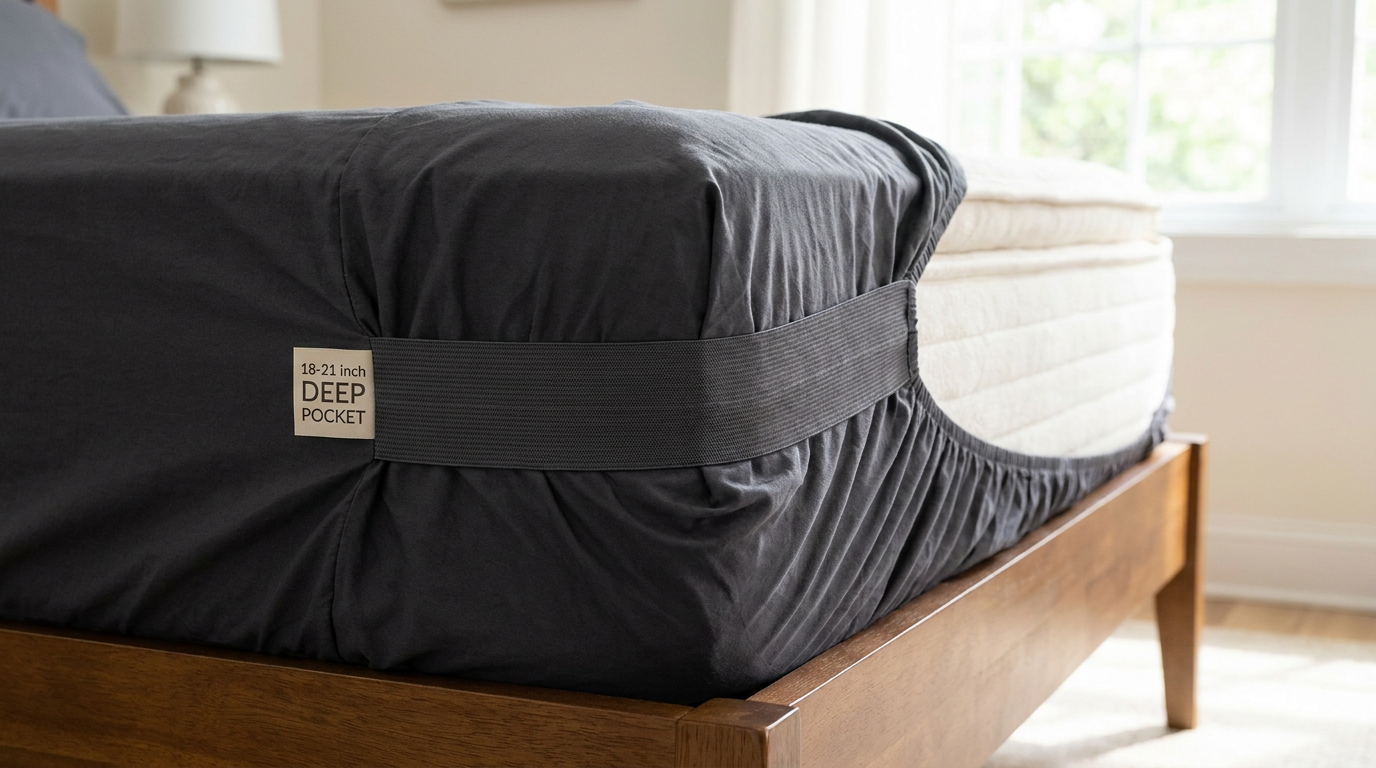
18–21 inch deep pockets with full-perimeter heavy-duty elastic — engineered to stay put no matter what you're sleeping on.
The engineering solution requires two components working in tandem. First, genuine deep pockets—not the labeled deep that often equates to 14–15 inches in practice. True deep-pocket engineering starts at 18 inches and extends to 21 inches, accommodating even hotel-grade pillow tops and dual-layer topper configurations. Second, and equally critical: full-perimeter elastic, not corner-only straps. Corner-only elastic creates four fixed anchor points, but the fabric between corners has nothing pulling it down.
As you move at night, that midpoint fabric lifts, creating a hammock effect that progressively loosens corner tension. Full-perimeter heavy-duty elastic maintains consistent tension around every inch of the mattress edge—distributing pull evenly, eliminating lifting, and keeping the sheet locked through the most active sleepers' nights. When both deep-pocket depth and full-perimeter engineering are present, sheet slip becomes effectively impossible.
Color Longevity: The 40-Wash Standard
Color fade is the silent quality killer in budget sheeting. You buy navy blue; after 15 washes it's periwinkle. The mechanism is straightforward: cheaper dyes have lower fixation rates—they bond weakly to the fiber and leach progressively with heat and detergent exposure. Premium microfiber is dyed using reactive fiber processes with higher molecular bonding, not surface coating. This structural dye integration resists thermal degradation and detergent extraction across a significantly higher wash cycle count.
The 40+ high-temperature machine wash standard represents a meaningful durability benchmark—it means the color you see on day one is substantively the color you'll have after a year of weekly laundering. This isn't a marketing claim; it's a pass/fail engineering specification that separates quality-controlled manufacturing from commodity production.
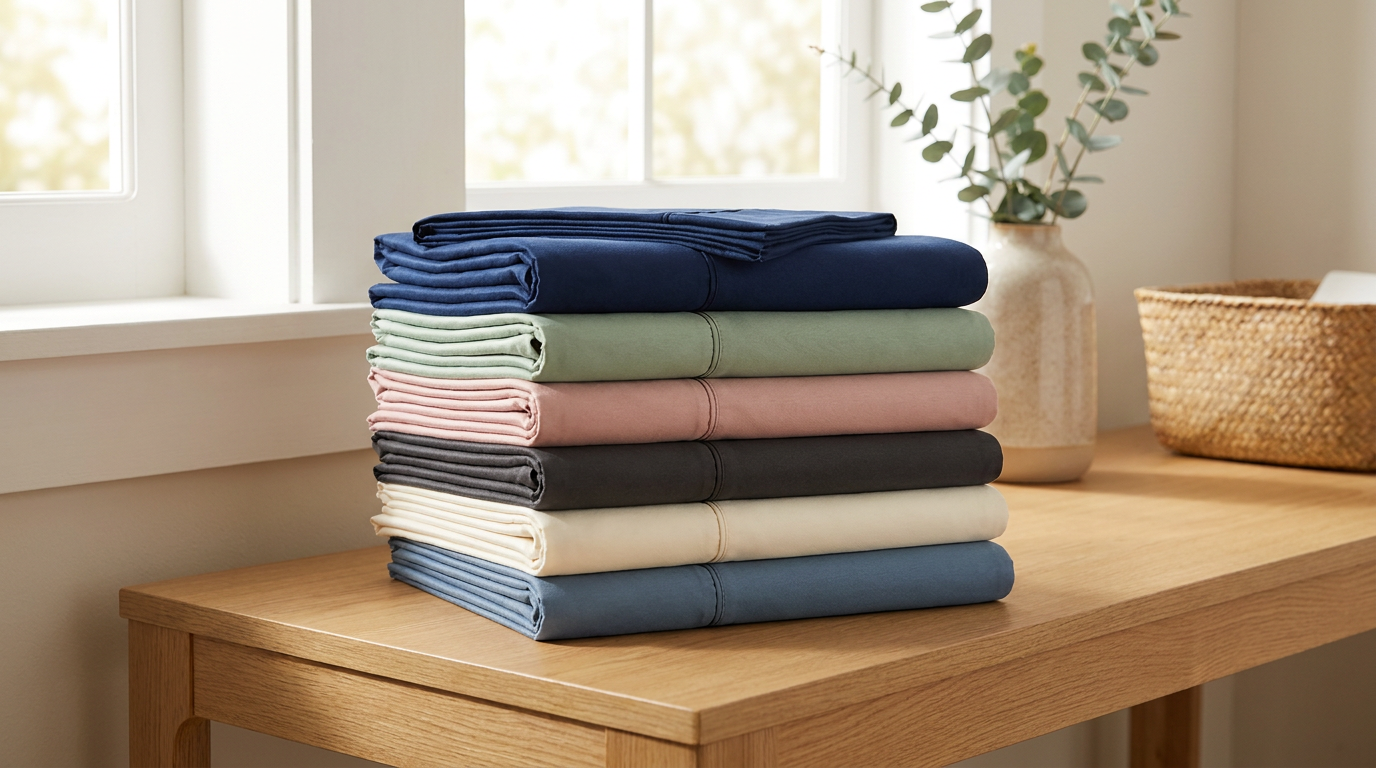
40+ colors. 40+ washes. Still exactly the same depth of color — because the dye is engineered in, not coated on.
With 40+ colorways available, from timeless neutrals to deep seasonal tones, this dye-fast engineering means you can invest in a signature bedroom palette without the anxiety of watching it fade to irrelevance by February. Side sleepers, hot sleepers, or gift buyers choosing for someone else—the color you select is the color that lasts.
How to Choose: A Buyer's Decision Framework
The best microfiber sheets for you depend on your specific sleep profile. Hot sleepers should prioritize verified wicking and cooling engineering—look for explicit double-brushed specifications and thermal performance claims backed by data, not just adjectives. Side sleepers who experience shoulder pressure points benefit from the plush micro-pile structure of double-brushed microfiber, which conforms gently without creating resistance at the joint.
For mattresses over 14 inches—which now describes the majority of mattresses sold in the US—deep-pocket engineering is not optional. It's essential. And for anyone who dislikes ironing (which is everyone), wrinkle-resistant microfiber is the obvious choice over high-maintenance cotton. The math is simple: less time maintaining your bedding means more time enjoying it.
Shoppers who want all five performance dimensions simultaneously—buttery softness, cooling engineering, deep-pocket fit, wrinkle resistance, and long-term color integrity—will find that the engineering behind premium double-brushed microfiber delivers without requiring a trade-off between any of them. The best sheets aren't the most expensive; they're the ones engineered precisely for how you actually sleep.
FAQ
Q1: Are microfiber sheets better than cotton for hot sleepers?
For hot sleepers, engineered double-brushed microfiber consistently outperforms standard cotton. Cotton is hydrophilic—it absorbs sweat and holds moisture against the skin, creating a progressively warmer, damper sleep surface. High-quality microfiber uses hydrophobic fiber chemistry to wick moisture away and accelerate surface evaporation, measurably reducing the perceived sleep temperature by 2–4°F compared to cotton controls. If overheating at night is disrupting your sleep quality, switching to a properly engineered microfiber set—particularly one with double-brushing on both sides—is one of the highest-impact bedding changes you can make.
Q2: Will microfiber sheets pill after washing?
Lower-grade microfiber with loose fiber construction can pill over time, but this is a manufacturing quality issue, not an inherent microfiber limitation. Double-brushed microfiber sheets from quality manufacturers feature a tight, locked-pile surface that resists pilling through extensive use. The critical markers are brushing on both sides (not just the face), a gram weight above 90 GSM, and consistent fiber denier below 1.0. Sheets meeting these specifications routinely last 40+ high-temperature wash cycles without surface degradation—outperforming most cotton in long-term durability.
Q3: What does deep pocket actually mean for fitted sheets?
Deep pocket is one of the most inflated terms in bedding marketing. Technically it can mean anything from 14 to 21 inches, and brands rarely clarify. A genuinely useful deep-pocket fitted sheet starts at 18 inches of pocket depth and pairs that depth with full-perimeter heavy-duty elastic—not just corner straps. If your mattress (plus any topper) exceeds 14 inches, corner-only elastic will fail regardless of pocket depth, because midpoint fabric has nothing holding it down. Full-perimeter elastic is the engineering solution that keeps sheets locked through the night.
Q4: How do I know if microfiber sheets are high quality before buying?
Look for four specific quality signals: (1) Double-brushed on both sides—not just one face; (2) pocket depth stated explicitly at 18–21 inches; (3) full-perimeter elastic, not corner bands; (4) verified color fastness through 40+ wash cycles. Brands that make vague claims like ultra-soft without specifying their finishing process, or that use deep pocket without a numeric depth, are often working with lower-spec materials. Tactile feel at purchase is unreliable—the brushed surface effect can be achieved cheaply with short-lived surface treatments that wash out quickly.
Q5: Are bamboo sheets actually cooler than microfiber?
Bamboo sheets feel distinctly cool at first contact because bamboo viscose has a lower initial thermal conductivity than microfiber—it draws heat away from skin faster in the first few seconds. However, once the fiber reaches body temperature equilibrium (within minutes), bamboo viscose behaves similarly to other rayon-type fabrics: it can absorb moisture but does not wick it efficiently. Over the course of a full sleep cycle, engineered double-brushed microfiber with active wicking chemistry typically maintains lower average skin-interface temperatures. The initial cool sensation of bamboo is a tactile perception, not a sustained thermal performance advantage.