



Best Sheets for Back Sleepers: Why Spinal Alignment Changes What You Should Buy in 2026
If you sleep on your back, the sheets everyone else recommends might be working against you. The best sheets for back sleepers have to solve a problem side sleepers and stomach sleepers never face: your entire spine, shoulders, and hips press into the mattress surface for eight hours, turning your fitted sheet into full-body contact bedding rather than a light drape. That constant full-body pressure changes everything about which fabric, weave, and pocket depth actually work. Cotton wrinkles under sustained weight. Bamboo viscose stretches and loses shape faster than the label promises. Meanwhile double-brushed microfiber, engineered specifically for sustained skin contact, holds its cooling performance and its fit through years of back-sleeping wear. This guide breaks down exactly what changes when spinal alignment enters the equation, and what to buy instead.
Why Back Sleepers Need a Different Sheet Strategy Than Everyone Else
Back sleeping is the position sleep specialists recommend most often for spinal alignment, because it distributes weight evenly across the widest surface area of the body. The shoulder blades, the sacrum, and the heels all bear contact simultaneously, keeping the neck and lower back in a neutral line instead of twisting toward one hip or shoulder the way side sleeping does. That neutral alignment is good for your spine. It is much harder on your sheets.
Side sleepers touch a fitted sheet at a handful of pressure points. Back sleepers press against nearly the entire dorsal surface of their body at once, for the full length of a sleep cycle, without shifting weight to relieve any single zone. That sustained, broad-surface contact means your sheet fabric spends more total hours in direct skin contact than almost any other sleep position produces, and it means any weakness in fiber softness, breathability, or surface texture gets amplified rather than diluted.
This is where fabric engineering starts to matter more than thread count or marketing language. LuxClub built its Premium Double-Brushed Microfiber specifically around sustained, full-body contact scenarios. Both sides of the fabric are mechanically brushed, not just one, which breaks down the fiber surface into a buttery-soft, silky-smooth layer that stays gentle against skin held in place for hours rather than seconds.
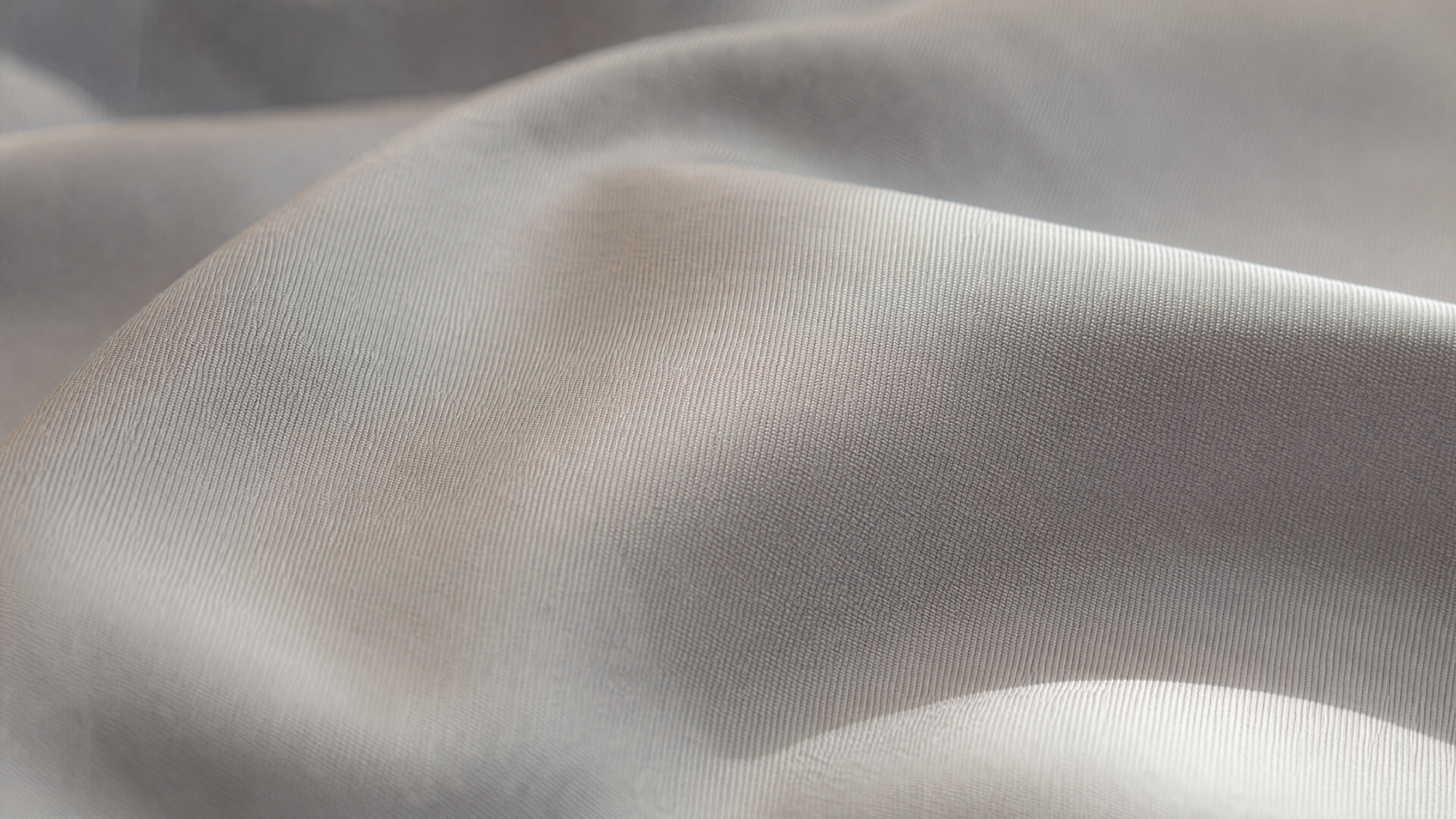
Double-brushed on both sides for a buttery-soft, silky-smooth surface.
The Full-Body Contact Problem: Why Back Sleepers Run Hotter Than They Think
Full-body contact does more than test softness. It traps heat. When your entire back surface presses into a sheet for hours, that contact zone becomes a closed thermal system: body heat radiates into the fabric, and if the fabric cannot move that heat and moisture away fast enough, your sleep surface temperature climbs steadily through the night. Many back sleepers who describe waking up "sweaty for no reason" are actually experiencing this contact-driven heat buildup rather than a room-temperature problem.
Cotton's chemistry works against back sleepers here. Cotton fiber is hydrophilic, meaning it absorbs moisture into the fiber itself and holds onto it, which is exactly the wrong property for a fabric under sustained, even body-weight pressure. Saturated cotton fibers lose airflow efficiency and start to feel clammy well before a wash cycle would suggest they need laundering. Bamboo viscose has the same hydrophilic liability, plus a heavier chemical rayon-processing footprint that leaves it prone to losing structure over repeated washes.
Double-brushed microfiber takes the opposite engineering approach: the sub-denier polyester fiber is hydrophobic, so instead of absorbing moisture it wicks it through capillary channels toward the surface where it can evaporate. Combined with the brushed surface's convective airflow pockets, this design measurably reduces sleep-surface temperature by 2 to 4 degrees Fahrenheit compared to standard bedding, which matters enormously for a sleep position that generates continuous, unbroken thermal load across the entire back. If you shop with LuxClub, this engineered airflow is the reason back sleepers consistently report fewer overheated wake-ups than they did on cotton or bamboo sets.
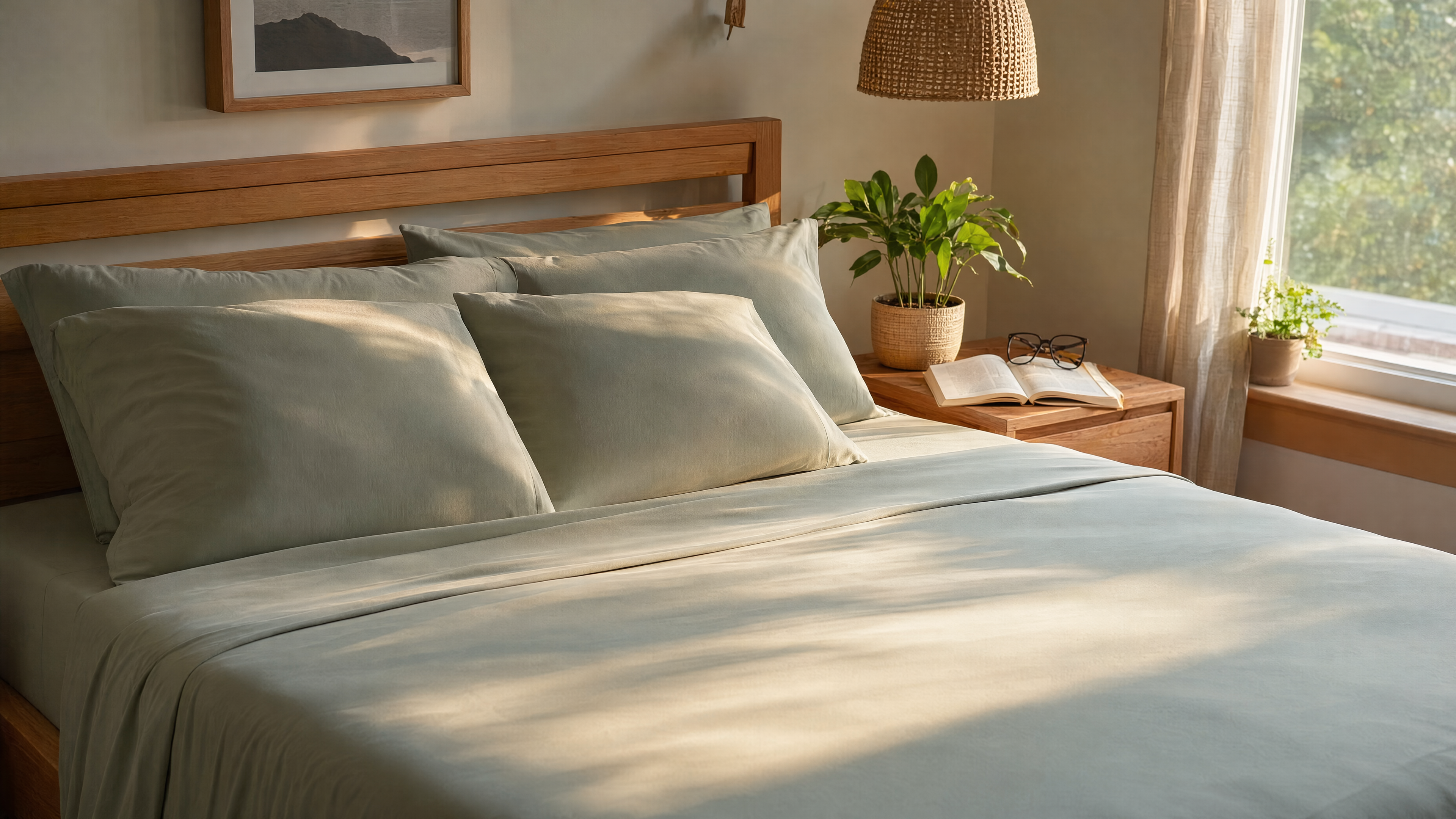
A real, lived-in bedroom styled with breathable, cooling bedding.
Fit Matters More for Back Sleepers Than You Think
Because back sleepers stay relatively still and centered on the mattress compared to side sleepers who shift and pull at the corners, most people assume fitted sheet slippage is a smaller issue for this position. The opposite is often true. Back sleepers apply steady, even downward pressure across the entire mattress surface rather than isolated tugging at one corner, and over a full night that even pressure gradually works a shallow-pocket sheet loose from all four corners at once instead of just one.
Pocket depth is the first place this shows up. Many mattresses today, especially those paired with a mattress topper, run 12 to 16 inches deep, but standard "deep pocket" labeling on budget sheets can mean anything from 14 to 17 inches with no regulated definition. A sheet that measures short by even an inch will bunch, ride up, or expose the mattress corner by morning, undoing whatever comfort the fabric itself provides.
The second and more important factor is elastic architecture. Corner-only elastic, found in most budget and mid-tier sheet sets, concentrates all of the holding tension into four small stitched patches, and those patches fatigue within 12 to 18 months of steady even-pressure use. LuxClub sheets use an 18-21 inch extra-deep pocket paired with full-perimeter, heavy-duty elastic that runs the entire edge of the sheet, distributing tension evenly around the whole mattress instead of concentrating it at four points. That structural difference is what keeps a fitted sheet anchored under a back sleeper's steady full-body weight night after night.
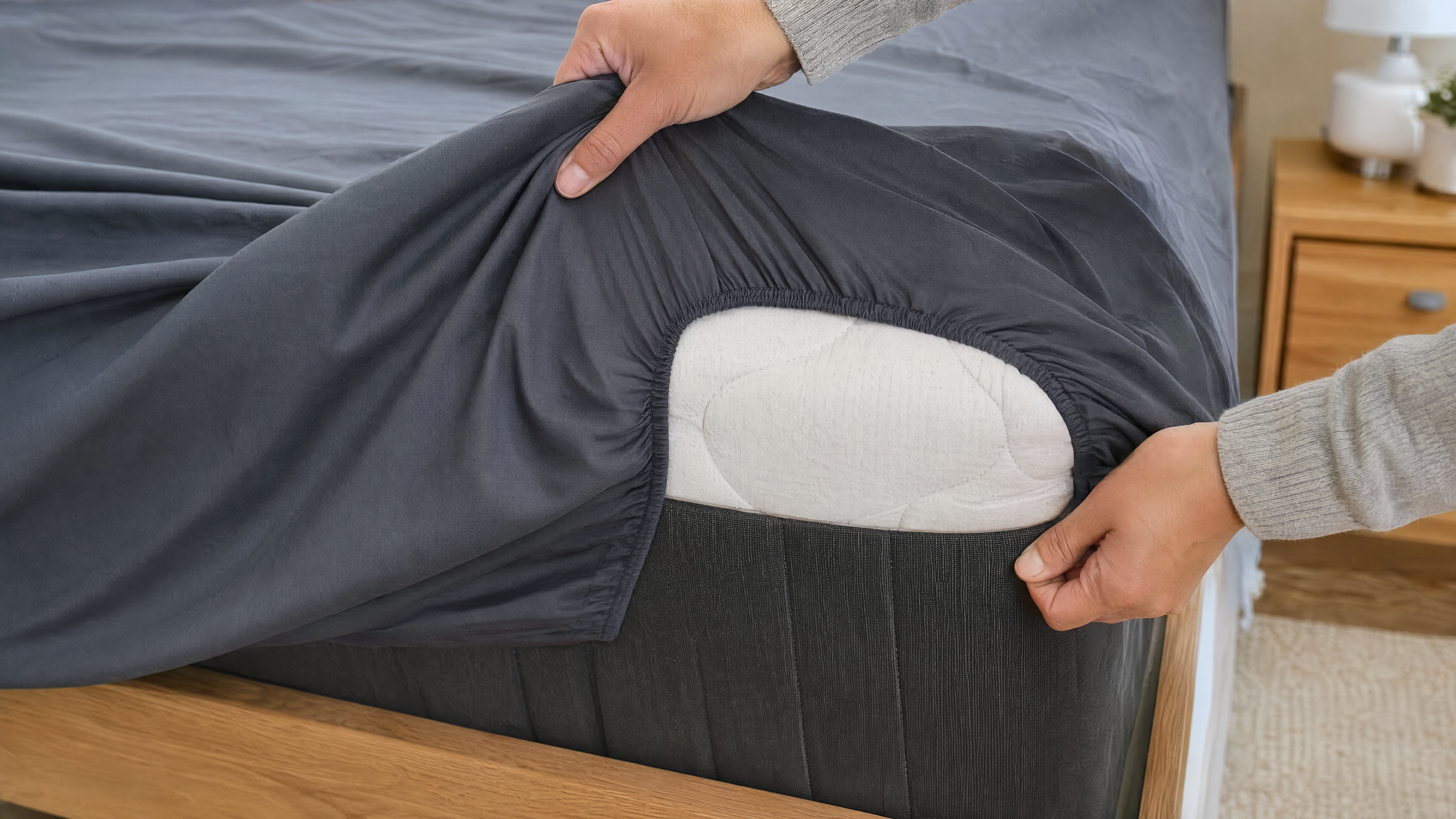
Full-perimeter, heavy-duty elastic keeps deep pockets anchored all night.
What Actually Holds Up: Maintenance, Durability, and a Buying Checklist
Once fabric science and fit are settled, the real test for back sleepers is what survives years of washing under sustained, even-pressure wear. Cotton sheets pill fastest exactly where back sleepers apply the most consistent friction: across the shoulder blades and lower back zone, where fiber tips break down and clump into small rough beads within months. Cotton also shrinks 3 to 7 percent per wash cycle as the fiber's hydrogen bonds tighten, gradually shrinking that already-tight pocket fit even further.
Double-brushed microfiber is engineered to resist both problems. The continuous polyester filament is preshrunk before it ever reaches your bed, so dimensional stability holds through 40-plus wash cycles rather than degrading wash by wash. The disperse-dye process used on colored microfiber locks pigment into the fiber itself instead of sitting on the surface the way reactive dyes do on cotton, which is why LuxClub sheets are rated for 40 or more washes across more than 40 colorways without visible fading. Add natural wrinkle resistance from the polymer's elastic recovery, and there is no ironing step standing between a long night of back-sleeping and a made-looking bed the next morning.
Before you buy, run through this short checklist built specifically around back-sleeper wear patterns: measure your actual mattress depth including any topper, confirm the pocket depth exceeds that measurement by at least two inches, verify the elastic runs the full perimeter rather than just the corners, check that the fabric is explicitly rated for repeated high-wash-count color retention, and confirm the brushing process treats both sides of the fabric rather than one. Sheets that pass all five points are built for exactly the kind of sustained, even, full-body contact that back sleeping produces every single night.
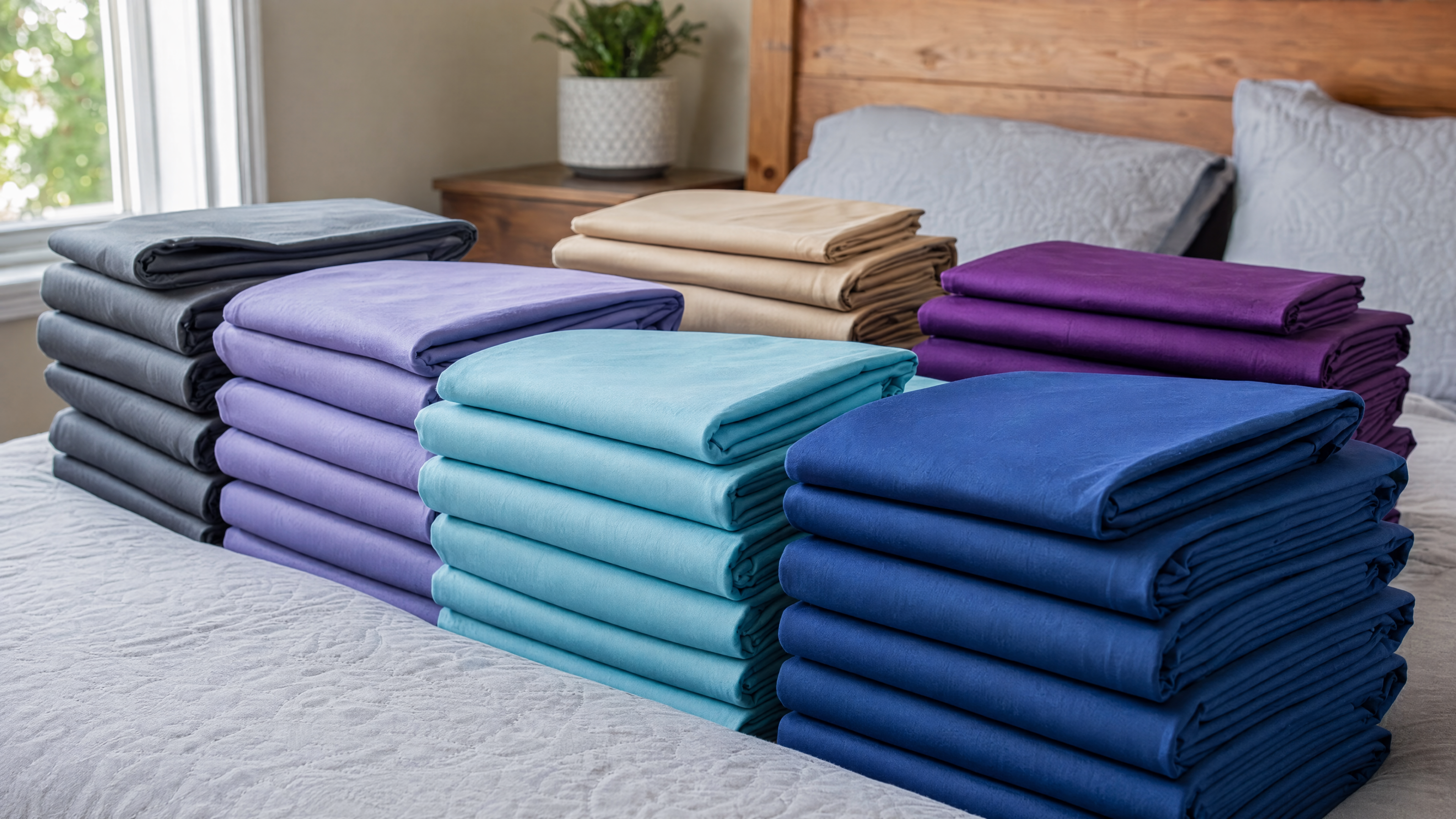
40-plus fade-resistant colorways, built to last through decades of washes.
Frequently Asked Questions
Q1: Do back sleepers actually need different sheets than side or stomach sleepers?
Yes. Back sleeping creates sustained, even, full-body contact across the entire dorsal surface for hours at a time, which is a fundamentally different thermal and mechanical load than the isolated pressure points side sleepers create. Fabrics that wick moisture and hold their shape under that kind of steady, broad contact, like double-brushed microfiber, perform noticeably better for back sleepers than fabrics chosen only for softness alone.
Q2: Why do I wake up hot even though my bedroom feels cool at night?
Full-body contact with a hydrophilic fabric like cotton traps body heat and moisture directly at the skin-fabric interface, regardless of ambient room temperature. Double-brushed microfiber's hydrophobic wicking and convective airflow channels move that heat and moisture away from the skin, which is why switching fabrics often solves overheating that room temperature adjustments cannot.
Q3: How deep should a fitted sheet pocket be for a thicker mattress with a topper?
Measure your mattress plus topper height, then choose a pocket depth that exceeds that measurement by at least two inches. Most mattress-and-topper combinations need an 18 to 21 inch extra-deep pocket, and pairing that depth with full-perimeter heavy-duty elastic prevents the slow, even-pressure slippage that back sleepers are especially prone to causing.
Q4: How often should back sleepers wash their sheets?
Weekly washing is the general guidance for most sleepers, but back sleepers benefit from checking fabric wash-cycle durability specifically, since their sheets see more consistent surface contact over time. Double-brushed microfiber is built to hold its color, shape, and softness through 40 or more wash cycles, which matters more for a position that puts sustained pressure on the fabric every single night.