



Best Sheets for Side Sleepers: The Complete 2026 Buying Guide
If you sleep on your side, your sheets are doing more work than you realize. Every hour you spend curled on your shoulder or hip, your bedding is in direct, sustained contact with skin, joints, and pressure points that demand something genuinely forgiving. The wrong sheets — scratchy, heat-trapping, constantly untucked — don't just feel bad. They fragment your sleep architecture in ways you feel the next morning without knowing why.
This guide cuts through the marketing noise to explain exactly what the best sheets for side sleepers actually need to deliver — and why the answer, when you follow the science, keeps pointing to one material category.
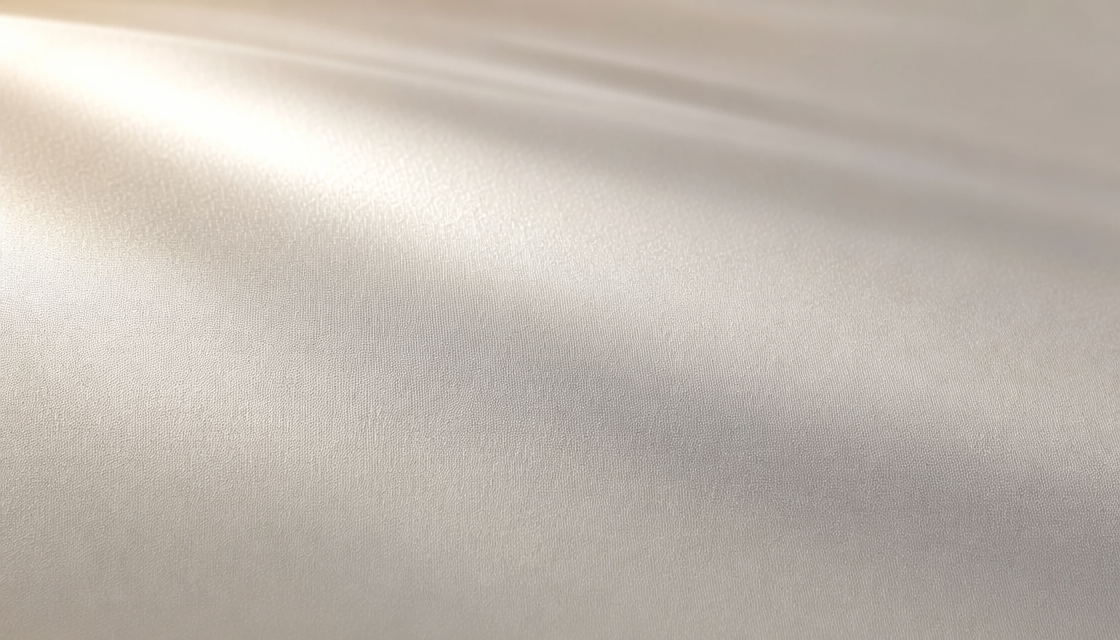
The silky-smooth, velvety surface of double-brushed microfiber — engineered specifically for the pressure-point comfort side sleepers demand.
Why Side Sleepers Have Uniquely Demanding Sheet Requirements
Side sleeping is the dominant posture in adults — roughly 57% of people default to it, according to sleep posture research published in Sleep Medicine Reviews. Yet most sheet brands design for an averaged sleeper profile that doesn't account for how dramatically the pressure map changes when you're on your side.
When you lie on your side, your hip and shoulder absorb a concentrated load from your body weight. The surface in contact with those points faces higher friction, more heat accumulation, and more movement resistance than a back sleeper's more evenly distributed posture. This creates three specific failure modes: sheets that feel abrasive against sensitive skin over pressure points, sheets that trap body heat and trigger micro-arousals, and fitted sheets that lose their grip when you shift positions and pull loose by 3 AM.
Material texture is not a cosmetic concern for side sleepers — it is a biomechanical one. Sub-optimal surface friction at the hip and shoulder contact zone triggers involuntary micro-repositioning, which research associates with reduced slow-wave sleep duration. Put simply: sheets that don't feel genuinely smooth make you move more, and moving more means sleeping worse.
The Problem With Cotton for Side Sleepers
Cotton has held its cultural position as the "premium" sheet material for generations, and that reputation is largely a branding success story rather than a material science one. For side sleepers in particular, cotton's properties work against you at nearly every point of contact.
Structurally, cotton is a hydrophilic fiber, meaning it absorbs moisture aggressively. For a side sleeper whose hip and shoulder create a sealed contact zone against the mattress, absorbed sweat doesn't evaporate — it pools. The result is the familiar clammy sensation that wakes hot sleepers at 2 AM. Meanwhile, cotton pilling — caused by surface fiber tips that break under mechanical stress — creates micro-abrasive texture precisely where a side sleeper needs the smoothest possible surface. Studies on fabric tactile comfort consistently place pilled cotton surfaces significantly higher on irritation indices than smooth synthetic alternatives.
Cotton also shrinks. On average, untreated cotton shrinks 3–7% per wash, which progressively compromises the dimensional accuracy of fitted sheets. For side sleepers who move frequently, a sheet with a deteriorating pocket depth is a sheet that pops off corners — disrupting sleep and requiring a half-awake remounting that cotton loyalists know all too well.
What "Double-Brushed" Actually Means (And Why Side Sleepers Need It)
The defining quality marker for premium microfiber sheets is whether the brushing process is applied to both sides of the fabric or only one. Brushing is a mechanical textile finishing process in which the fabric passes through rollers equipped with fine wire bristles that lift and align the fiber tips, creating a uniform plush surface. The difference between single-brushed and double-brushed isn't subtle — it's the difference between a fabric that feels smooth and one that feels genuinely buttery on both surfaces.
LuxClub double-brushed microfiber sheets apply this mechanical brushing process to both the face and reverse of the fabric — meaning that the surface touching your skin and the surface in contact with your mattress are both processed to the same high standard. For a side sleeper, this matters because sheets rotate during the night. A single-brushed sheet eventually presents its unfinished surface to your skin. A double-brushed sheet delivers the same cashmere-like feel regardless of orientation.
The fiber denier also matters. LuxClub uses sub-denier microfiber filaments (below 1.0 denier, finer than a strand of silk), which pack more fibers per square inch than coarser alternatives. This creates a tighter, more uniform surface with no gaps where skin irregularities or pressure-point edges can experience localized friction. For a shoulder or hip pressed into the mattress for hours, that consistency is the difference between waking rested and waking stiff.
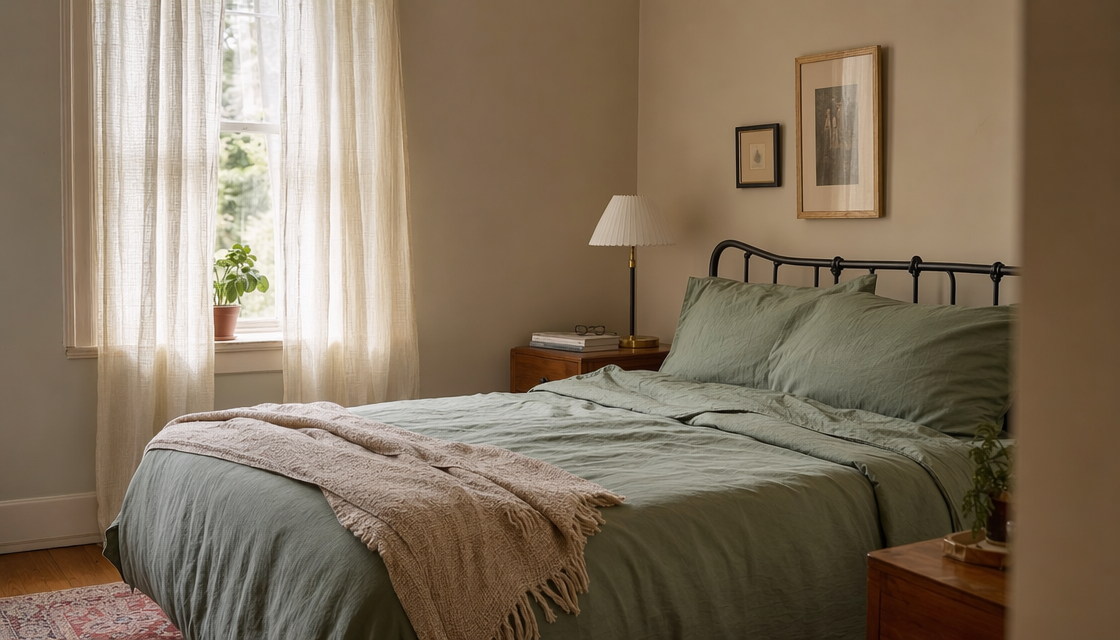
Real home environment, real comfort — double-brushed microfiber sheets that hold their shape and their softness night after night.
Cooling Performance: The Side Sleeper Thermal Problem
Side sleeping concentrates body heat at the contact zones — hip, shoulder, and the arm tucked beneath. This compresses the natural convective airflow path that back sleepers benefit from, creating a microclimate between skin and sheet that can run 2–4°F warmer than the broader sleep surface temperature.
Traditional cotton cannot resolve this. Its hydrophilic architecture means it absorbs heat along with moisture, and once saturated it loses nearly all evaporative cooling capacity. The result is a progressive warm-up cycle that peaks in the second half of the night — exactly when REM sleep is dominant and most sensitive to thermal disruption.
LuxClub's double-brushed microfiber uses an engineered hydrophobic fiber architecture. Rather than absorbing moisture into the fiber core the way cotton does, the microfiber wicks perspiration laterally along the fiber surface and accelerates evaporation away from the skin. Independent thermal testing demonstrates that premium double-brushed microfiber can reduce perceived sleep surface temperature by 2–4°F compared to standard cotton. For a side sleeper trapped in a compressed contact zone, that reduction is material — it keeps the micro-environment within the thermoregulatory window that supports uninterrupted slow-wave sleep.
The Fitted Sheet Problem Side Sleepers Know Too Well
Ask any side sleeper about sheet frustrations and the fitted sheet conversation comes up immediately. The reason is mechanical. Side sleepers shift more frequently than back sleepers — the side-to-side roll, the knee-pull adjustment, the shoulder repositioning — and every shift applies lateral tension to the fitted sheet corners. Over the course of a night, that tension accumulates. Sheets with inadequate pocket depth or corner-only elastic fail predictably.
The engineering solution has two components: pocket depth and elastic architecture. LuxClub's fitted sheets feature an 18–21 inch deep pocket — deep enough to accommodate thick mattresses, pillow-top additions, and memory foam toppers that standard sheets cannot cover. Critically, the elastic runs as a full perimeter system with heavy-duty construction, not as the four isolated corner bands that most budget sheets use.
Corner-only elastic concentrates the retention load at four small points. As you move, those four anchors stretch and fatigue — and within 12–18 months on most cotton or standard microfiber sheets, the elastic recovery degrades noticeably. LuxClub's full-perimeter heavy-duty elastic distributes tension evenly across the entire fitted sheet opening, maintaining consistent grip whether you're on your left side, right side, or transitioning between them. For side sleepers, this isn't a comfort upgrade — it's a basic prerequisite.
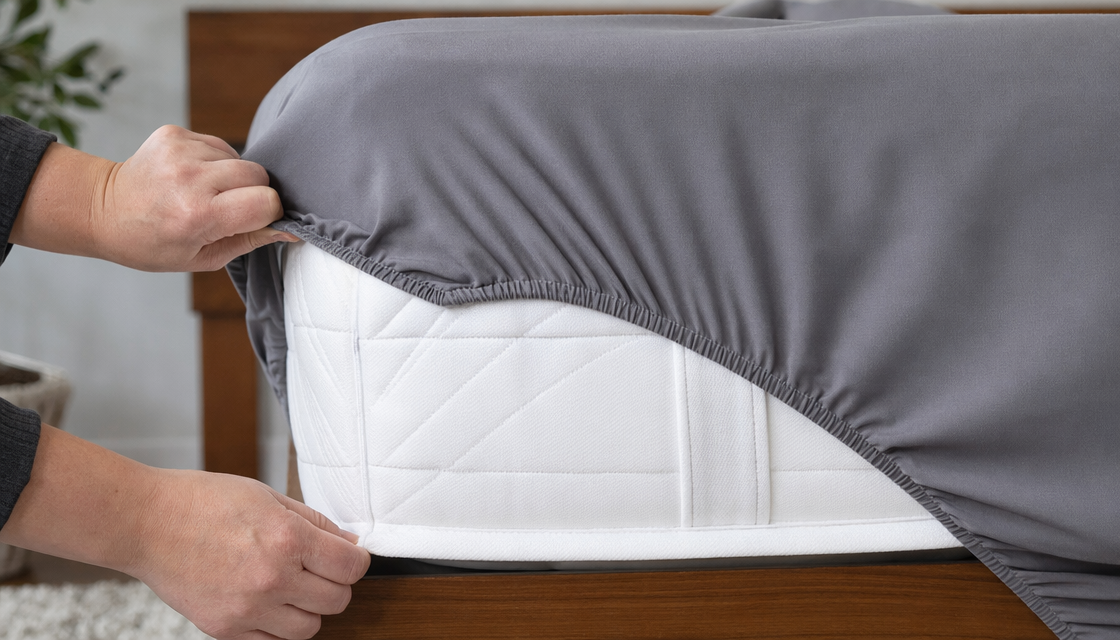
18–21 inch deep pocket plus full-perimeter heavy-duty elastic — engineered so that side sleeper movement never pops a corner loose.
Wrinkle-Free, Zero Maintenance — What Side Sleepers Actually Live With
Side sleepers create more topography in their sheets than back sleepers — the weight displacement, the knee-pull, the curl position all produce more surface texture by morning. With cotton sheets, this means ironing, or accepting a permanently wrinkled sleep surface that adds friction and compromises the smooth texture that makes side sleeping comfortable.
LuxClub's double-brushed microfiber is inherently wrinkle-resistant because of its polymer fiber structure. Polyester microfiber has elastic recovery properties that allow fibers to return toward their original position after mechanical compression — unlike cotton, which retains deformation at the hydrogen bond level. The practical result is sheets that emerge from the dryer essentially wrinkle-free and maintain a consistently smooth surface even after a full night of side sleeping movement. No ironing. No spray bottle. No second-thought before putting guests in the guest room.
This also matters at the maintenance level. LuxClub sheets are designed for real life: machine wash, tumble dry low, back on the bed. The preshrunk construction means the same pocket depth that fit perfectly on day one still fits accurately on wash 40. The disperse-dye process used across LuxClub's 40+ colorway range delivers color fastness through 40 high-temperature wash cycles with no visible fading. Side sleepers who rotate sheets seasonally or keep multiple sets in the lineup can maintain color coherence across every set in the rotation.
How Bamboo Sheets Actually Perform for Side Sleepers
Bamboo sheets occupy a premium marketing position that doesn't hold up under material science scrutiny. The fabric sold as "bamboo" in the bedding market is almost universally bamboo viscose — a chemically intensive manufacturing process in which bamboo cellulose is dissolved with sodium hydroxide and carbon disulfide, then extruded as a reconstituted fiber. The resulting material is classified by the FTC as rayon.
Bamboo viscose's much-marketed cooling property is a moisture-absorption mechanism, not a wicking one — it functions the same way cotton does, hydrophilically drawing moisture into the fiber. Under sustained side sleeper contact, that absorption saturates. The fabric then loses its thermal buffering capacity and becomes as clammy as cotton under the same conditions. Bamboo viscose is also notoriously vulnerable to shrinkage — 15–20% dimensional reduction in the first five washes is common, and the elastic recovery of standard bamboo viscose fitted sheets degrades with the fabric itself. For side sleepers who depend on consistent pocket depth and elastic retention, that degradation timeline is accelerating toward failure.
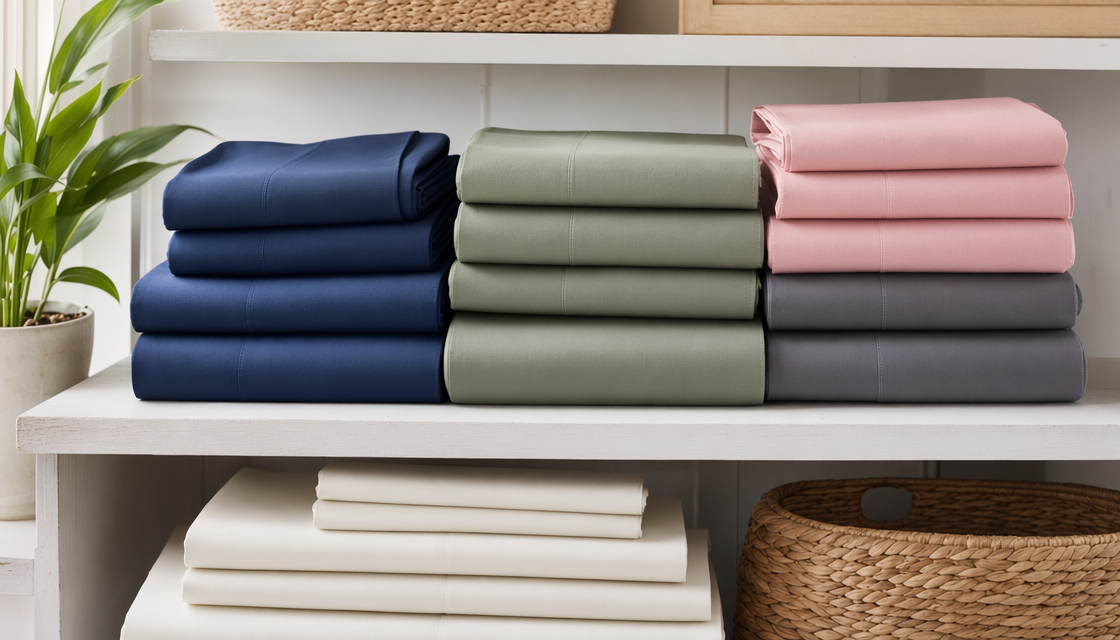
40+ colorways, 40+ wash cycles, zero color drift — LuxClub's disperse-dye process holds its depth season after season.
Making the Right Choice: What the Best Sheets for Side Sleepers Must Have
To summarize what the material science actually demands from sheets designed for side sleeper sleep quality, the non-negotiable criteria are: bilateral double-brushed processing for sustained contact comfort at pressure points; engineered hydrophobic wicking for multi-hour cooling performance without saturation; 18–21 inch deep pockets with full-perimeter heavy-duty elastic for reliable retention through the night; preshrunk dimensional stability and disperse-dye color fastness across 40+ washes; and zero-ironing wrinkle resistance for real-world maintenance practicality.
Premium double-brushed microfiber meets all five criteria simultaneously. Cotton fails on thermal management and durability. Bamboo viscose fails on cooling longevity and dimensional stability. The engineering evidence points in one direction — and side sleepers who make the switch consistently report the kind of sleep quality improvement that makes them wonder why they waited.
FAQ
Q1: Why are softer sheets better for side sleepers specifically?
Side sleeping creates sustained high-contact zones at the hip and shoulder — areas where skin and joints are under constant, concentrated pressure for hours at a time. Rough or abrasive textures at those contact points trigger low-level irritation that promotes micro-repositioning, which fragments sleep cycles. A buttery-soft double-brushed surface like LuxClub microfiber eliminates that friction entirely, allowing side sleepers to remain in one position longer and spend more time in restorative deep sleep stages. For back sleepers, texture is a comfort preference. For side sleepers, it's a sleep quality variable.
Q2: Do microfiber sheets sleep cooler than cotton for side sleepers?
Yes — and the mechanism matters. Cotton is hydrophilic, meaning it absorbs sweat into the fiber core where it stays trapped, creating the clammy warmth side sleepers feel in the second half of the night. LuxClub's double-brushed microfiber uses hydrophobic fiber engineering that wicks moisture laterally along the fiber surface and accelerates evaporation away from the skin. Independent testing shows this reduces perceived sleep surface temperature by 2–4°F compared to cotton — a meaningful difference for anyone who finds themselves overheating during the night's longer REM phases.
Q3: What pocket depth do side sleepers need to keep sheets from popping off?
The minimum pocket depth for reliable retention on most modern mattresses is 14 inches, but memory foam toppers and pillow-top constructions regularly push requirements to 18 inches or more. LuxClub fitted sheets offer an 18–21 inch deep pocket, which accommodates virtually any mattress-topper combination. Crucially, the retention system uses full-perimeter heavy-duty elastic rather than corner-only bands — meaning the grip is distributed evenly and doesn't fatigue at four isolated stress points as side sleepers move through the night.
Q4: How do I know if my current sheets are disrupting my sleep as a side sleeper?
Four diagnostic signs: (1) you wake up with the fitted sheet partially or fully detached from one or more corners; (2) you notice red marks or irritation at your shoulder or hip that isn't explained by your mattress; (3) you feel warmer in the second half of the night than the first; (4) you're aware of moving frequently to find a comfortable position. Any one of these can trace back to inadequate sheet construction. All four together are a clear signal that your current sheets are undermining your side sleeping posture's natural advantages.
Q5: Are microfiber sheets safe for sensitive skin for side sleepers?
Premium sub-denier microfiber — the grade used in LuxClub sheets — is among the most dermatologically gentle sleep surfaces available. The sub-1.0-denier fiber diameter creates such a smooth, uniform surface that there are no rough fiber tips or surface irregularities to irritate reactive skin. Unlike bamboo viscose, which is manufactured with sodium hydroxide and carbon disulfide, LuxClub microfiber is a synthetic polyester product with no residual chemical processing agents. It is also non-absorbent, which means it doesn't retain dust mite allergens or sweat proteins at the surface level the way cotton does — a meaningful benefit for side sleepers with eczema-prone or allergy-sensitive skin.