



How to Layer Your Bed Like a Luxury Hotel (Without the $800 Sheet Set)
There is a specific feeling you get when you pull back a hotel bed for the first time—the weight of layers, the clean fold, the almost-theatrical depth of textile upon textile. That feeling is not the result of a $400 thread-count cotton set. It is the result of system design: the deliberate stacking of materials chosen for their distinct visual texture, thermal behavior, and tactile contrast. And it is entirely reproducible at home.
This guide unpacks the four-layer designer formula behind every hotel-worthy bed—and shows you exactly how to execute it, from the fitted sheet up, using materials that outperform the overpriced options you have been told to buy.
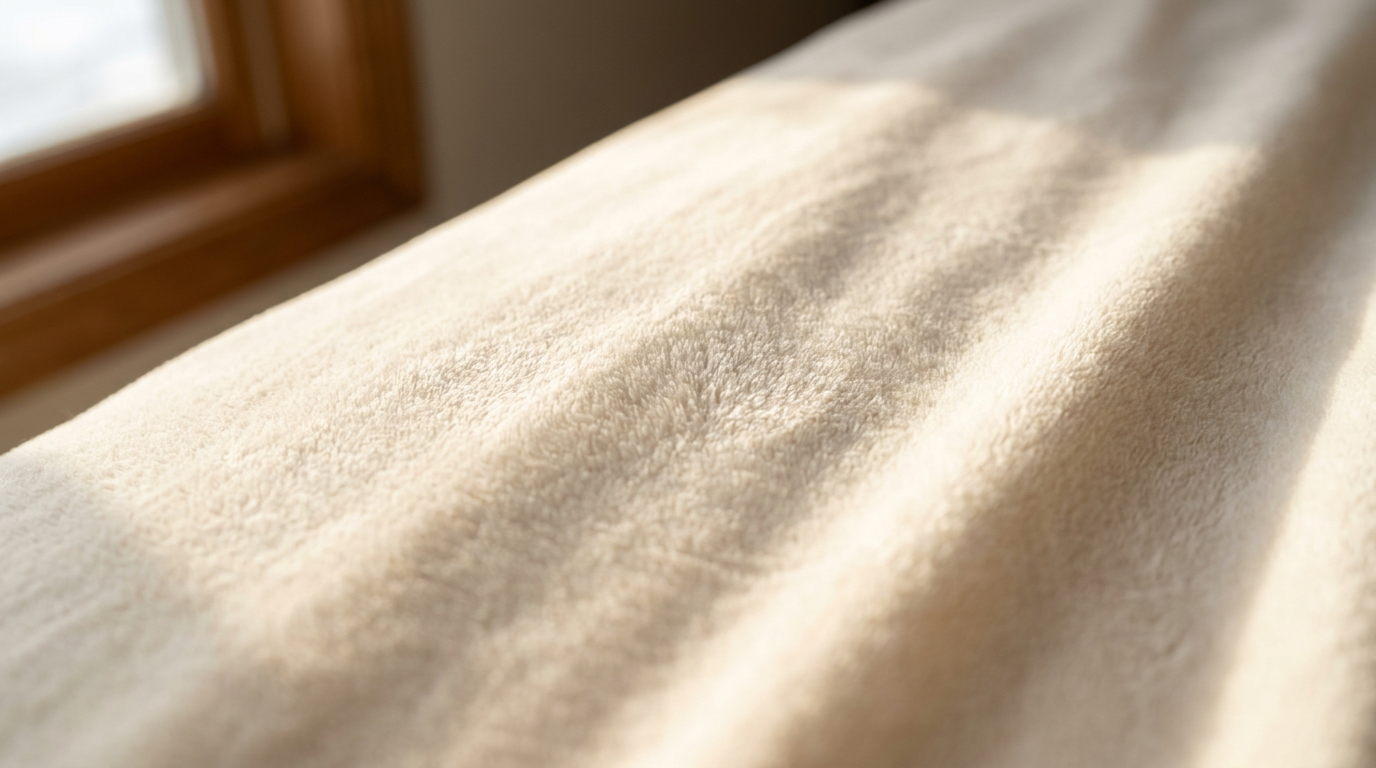
The buttery-soft, velvety surface of LuxClub's double-brushed microfiber — photographed in natural morning sidelight to reveal every dimension of the plush pile.
Why Hotel Beds Look So Different (and It Has Nothing to Do with Thread Count)
Walk into any upper-midscale or luxury hotel and the bed is immediately the focal point of the room. Interior designers and hospitality stylists call this the "anchor principle"—the bed consumes the dominant visual real estate, so its layering must do structural and emotional work simultaneously. A flat, monochromatic surface reads as "furniture." A layered bed reads as "invitation."
The three ingredients that create that visual difference are depth, contrast, and deliberate imperfection. Depth comes from stacking distinct layers that each cast their own shadow. Contrast comes from juxtaposing textures—smooth against matte, solid against pattern, flat against dimensional. Deliberate imperfection is the professional stylist's secret: a single cuffed-back top layer, a slightly off-center decorative pillow, a throw draped at a 35-degree diagonal. Perfect symmetry looks staged; controlled asymmetry looks lived-in and expensive.
What thread count has almost nothing to do with is warmth or softness—those are a function of fiber architecture. A high-thread-count Egyptian cotton sheet can feel stiff, cold, and pill-prone after twenty washes, while a well-engineered microfiber sheet grows softer each cycle. The hotel industry switched en masse to performance textiles precisely because they hold up under industrial washing and maintain their appearance. The lesson for home styling is the same: start with the right base layer before worrying about aesthetics.
The 4-Layer Hotel Formula: Building from the Foundation Up
Layer 1 — The Fitted Sheet: The Performance Core
Every hotel bed stylist will tell you the same thing: if the fitted sheet pops off in the night, the entire aesthetic collapses with it. This is why the foundation layer is the most technically demanding piece of the system.
The fitted sheet must stay put across a full night of movement. This is an engineering problem, not a styling one. LuxClub fitted sheets use an 18-to-21-inch ultra-deep pocket combined with a full-perimeter heavy-duty elastic band—meaning the elastic runs continuously around the entire circumference of the sheet, not just corner-clipped. That continuous perimeter grip generates uniform tension across all four mattress edges simultaneously, distributing the pull force instead of concentrating it at corners. The result: the sheet does not shift, bunch, or expose mattress corners regardless of mattress topper depth or sleeper activity.
The surface itself is double-brushed on both sides—a mechanical process that raises the fiber pile on each face independently, producing a buttery-soft feel that is consistent whether you are sliding in from the top or feeling from underneath. This bilateral brushing is what separates premium double-brushed microfiber from standard single-side processed alternatives. You feel the difference on first contact, and you still feel it after forty wash cycles.
For hot sleepers, the engineered fiber architecture provides an additional function: the hydrophobic microfiber structure wicks moisture away from the skin surface and accelerates evaporative cooling, lowering the perceived sleep surface temperature by 2 to 4 degrees Fahrenheit compared to cotton sheets in the same environment. Cotton's hydrophilic fiber holds moisture against the body; microfiber moves it. For a base layer that is directly against your skin all night, that thermal behavior is not a footnote—it is central to sleep quality.
Layer 2 — The Flat Sheet: The Visual Architecture
The flat sheet is the layer most people skip, and skipping it is the single biggest reason home beds fail to achieve the hotel look. Hotels use flat sheets because they solve three problems at once: they protect the duvet from body oils (extending cleaning intervals), they create the iconic folded-cuff visual, and they add a second surface texture that introduces visual depth even before you have added any decorative layer.
The fold technique matters. Pull the flat sheet 18 to 24 inches above the top of the mattress, then fold that excess cuff down over the duvet. The exposed cuff should be two to three times the width of a standard pillowcase—this creates the layered border effect that instantly signals "hotel" to the eye. Use a contrasting color or a tonal variation (white flat sheet over ivory duvet, for example) to make the cuff readable from across the room.
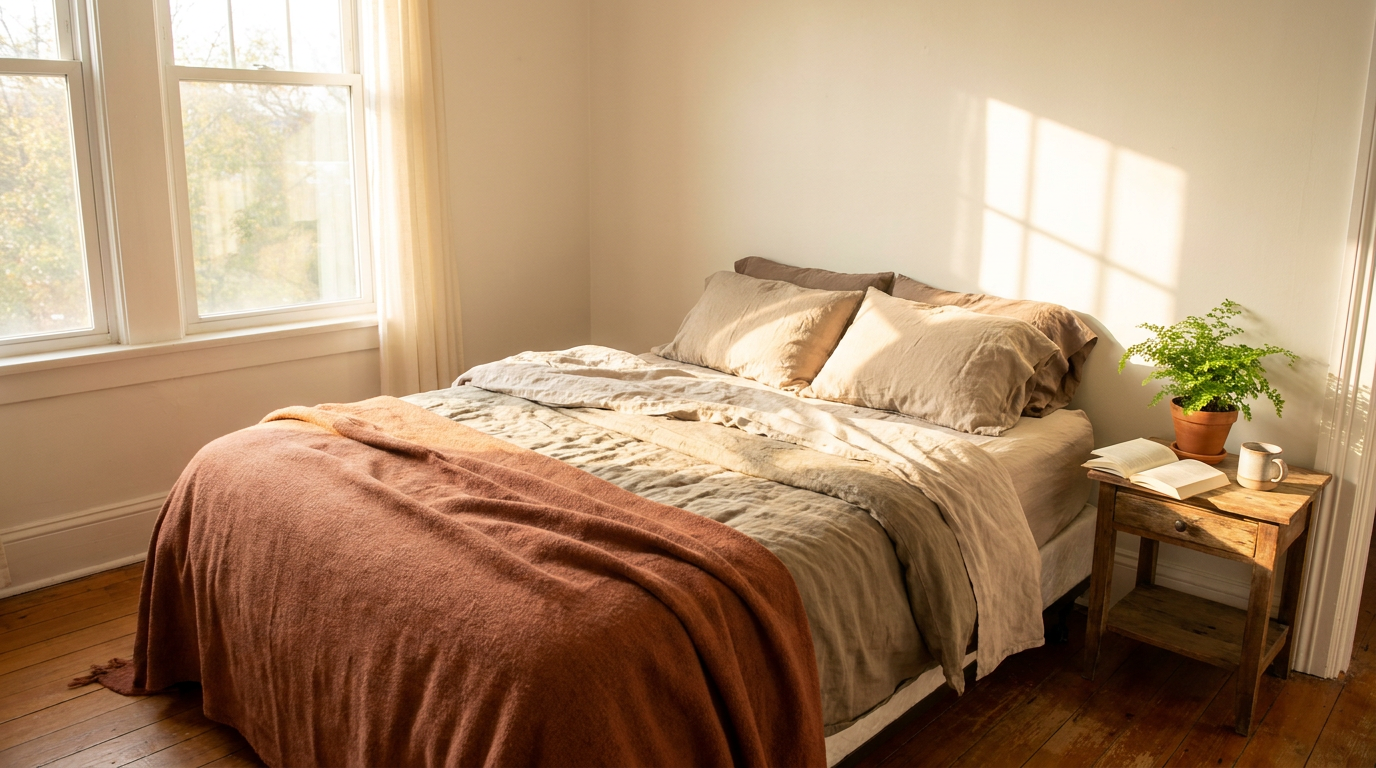
A genuinely lived-in layered bedroom — natural morning light, a terracotta linen throw, and the kind of relaxed elegance that comes from the right bedding foundation.
Layer 3 — The Duvet or Comforter: Weight and Warmth Architecture
The duvet is where warmth architecture happens. Its job is to deliver consistent thermal regulation across the season, and its visual job is to read as the dominant texture layer in the composition—typically the largest field of color or pattern. Interior designers use the 60-30-10 rule for bedroom color across all surfaces, and the duvet occupies a significant portion of the "60" primary color field. Choose it deliberately.
For summer layering, opt for a lower fill-power alternative fill or a lightweight cotton-shell duvet, but prioritize the drape of the outer fabric. A duvet that crinkles, pills, or loses its loft after washing destroys the layered look within days. Premium microfiber duvet covers resolve this: the double-brushed surface resists pilling indefinitely, and the wrinkle-resistant fiber structure means you can pull the duvet straight from the dryer and achieve the same smooth-drape look without ironing.
The placement technique for a layered look: pull the duvet to within 8 to 10 inches of the headboard (not to the very top), allowing the pillows and the flat sheet cuff to be fully visible above the duvet line. This creates a three-tier visual: duvet body, flat sheet cuff, pillows—all at distinct visual planes. If you push the duvet all the way to the headboard, you collapse those planes into a single flat field.
Layer 4 — The Throw and Accent Pillows: Texture Punctuation
Throws and accent pillows are the punctuation marks of bed styling—they do not carry the compositional weight, but they finalize meaning. A throw draped at the foot of the bed adds tactile contrast, color accent, and the signal of comfort-readiness. Hospitality designers typically drape throws at a 30-to-45-degree angle rather than centered, because diagonal placement creates implied movement—the bed looks like it has been returned to, engaged with, almost lived in.
For accent pillows, the professional rule is odd numbers: one Euro square behind two standard pillows, with one lumbar pillow in front. The depth progression—larger behind, smaller in front—reinforces the layering illusion and creates a visual gradient that draws the eye toward the bed's center. Color-match the lumbar pillow to the throw, and keep Euro pillows in the same neutral family as the duvet cover.
LuxClub's 40+ colorway selection is built precisely for this layering system—with enough palette range to execute the 60-30-10 rule perfectly and choose complementary shades for flat sheet cuff contrast without ordering from multiple brands. Every color is tested across 40 high-temperature machine wash cycles to ensure the palette holds: the dusty sage you choose today reads the same shade in eighteen months.
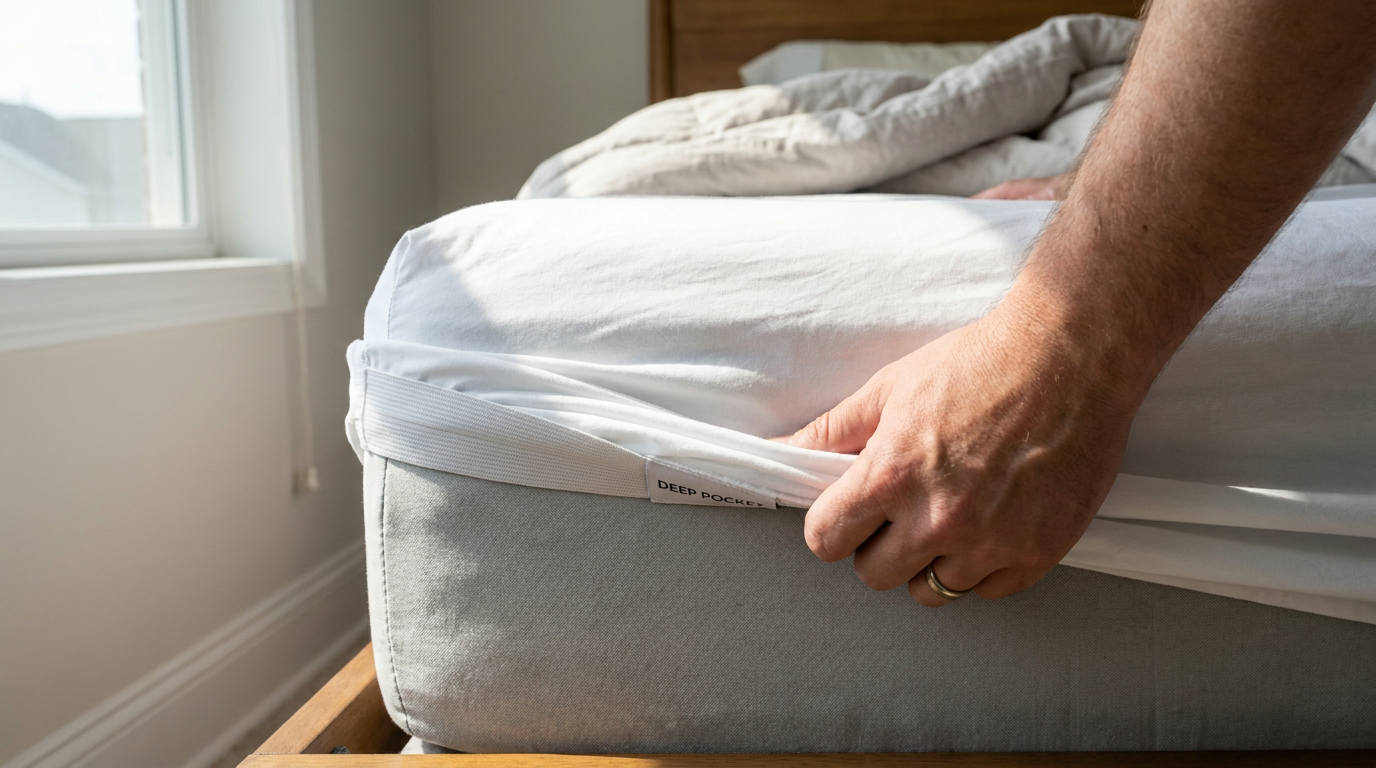
18-to-21-inch deep pocket + full-perimeter heavy-duty elastic: the engineering behind a sheet that never pops off, no matter how thick your mattress.
Seasonal Adaptation: Adjusting the Formula Without Losing the Look
The four-layer formula is not seasonal-fixed—it is modular. In summer, reduce thermal mass while maintaining visual complexity. Swap the full duvet for a lightweight coverlet or a double-layer muslin blanket; keep all four visual layers but replace the warmth layer with something sheerer. The flat sheet becomes more important in summer because it handles moisture management that a lighter duvet cannot.
In winter, the throw upgrades from decorative accent to functional layer. Swap the linen throw for a chunky-knit or sherpa piece and add a second Euro pillow pair for extra height in the arrangement. The visual depth increases with the winter staging because you have more textile mass to work with—and the contrast between the heavy knit throw and the smooth microfiber fitted sheet creates exactly the tactile contrast that makes beds look textured and considered.
The wrinkle-free nature of premium microfiber is critically important during seasonal transitions. Cotton sheets require ironing after every wash to maintain the crisp flat-sheet cuff that the hotel look depends on. The alternative—skipping the iron—produces a cuff that reads as casual and deflates the entire composition. Microfiber sheets emerge from the dryer smooth and ready, which means the hotel-cuff technique remains executable on a weekday morning without adding twenty minutes to the routine.
Color Strategy for the Layered Bed
Monochromatic Depth vs. Tonal Contrast
Two proven palettes dominate hospitality styling. Monochromatic depth uses a single hue at three saturation levels—for example, ivory fitted sheet, warm white flat sheet cuff, and a cream duvet—creating a serene, spa-like composition that photographs beautifully and translates directly from Instagram to real life. Tonal contrast uses a neutral anchor with one or two color accents: a slate-grey duvet set against white sheets, with a muted terracotta throw and dusty pink lumbar pillow. This palette has more visual energy and photographs well in natural daylight.
The common mistake in the tonal contrast approach is choosing colors of equal saturation. When every layer is the same visual "volume," they compete rather than layer. The professional solution: assign each layer a different value level. Light sheets, medium duvet, dark throw. The eye automatically reads the gradient as depth.
2026 Palette Direction
The emerging bedding aesthetic for 2026 favors what designers are calling "muted warmth"—earthy terracottas, clay neutrals, warm greys, and dried-sage greens, all desaturated by about 20% from their full chromatic versions. This palette pairs naturally with natural wood furniture tones and reads as simultaneously contemporary and timeless.
Blush, ivory, and eucalyptus green remain strong transitional choices for readers updating a bedroom without repainting. These shades photograph well in the warm-toned LED lighting that dominates 2026 interior trends and transition naturally between summer and autumn seasonal styling.
LuxClub bed sheet sets ship in 40+ colors, including muted-warmth 2026-trend shades, with color-fastness guaranteed through forty high-temperature machine wash cycles. The natural wrinkle-resistance means every wash restores rather than degrades the look—zero ironing, zero pre-treatment, straight from dryer to bed.
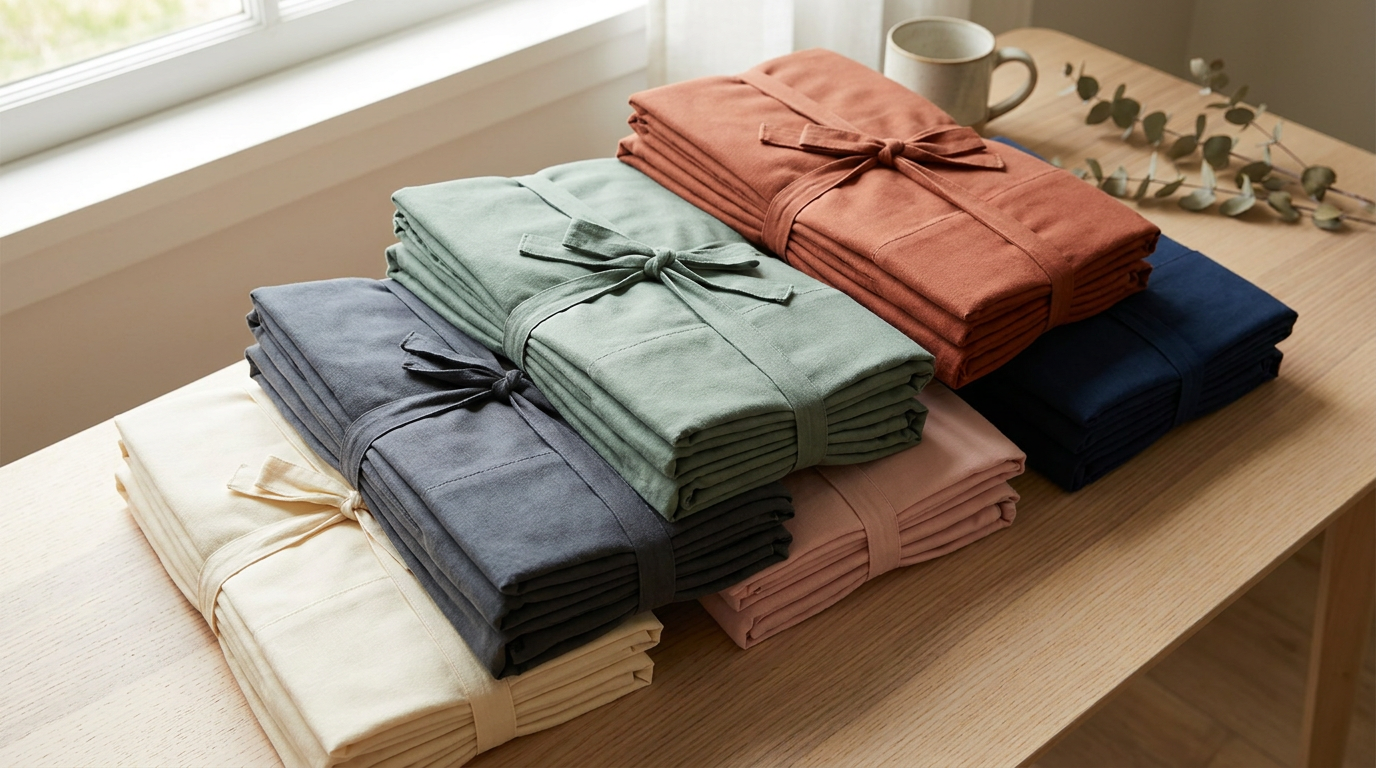
40+ colorways tested through 40 high-temperature wash cycles — the full-saturation palette that makes the 60-30-10 rule effortless.
The Professional Finishing Moves
Hospital Corners vs. the Relaxed Tuck
Hospital corners—the 45-degree fold technique used in military and hotel contexts—create the tightest, flattest base but read as formal. For a modern residential aesthetic, the relaxed tuck (simply tucking the flat sheet under the mattress without folding) creates a slightly softer lower line that pairs better with the deliberately-imperfect throw placement. Choose hospital corners when the bedroom aesthetic is structured and architectural; choose relaxed tuck when the room favors organic or warm-minimalist design.
Pillow Arrangement Mathematics
The rule of thirds applies to pillow arrangements: the pillow section should occupy approximately one third of the total visible bed height when viewed straight-on. Too many pillows push this proportion above one third, making the bed read as a showroom piece rather than a sleeping environment. A clean three-pillow arrangement (two standard plus one lumbar) hits the proportion consistently across most bed widths from Queen to Cal King.
The Final Styling Signal
Interior designers call this the "evidence of use" technique: after completing all four layers, stand back and make two deliberate adjustments. First, reach into the top of the duvet cover from one corner and pull the fill slightly to one side, creating a minor asymmetry in the duvet surface. Second, lean the lumbar pillow 3 to 5 degrees off-vertical against the standard pillow stack. Both moves introduce the controlled imperfection that reads as "someone magnificent lives here" rather than "this room is for sale."
FAQ
Q1: What is the correct order to layer bedding for a hotel look?
Start with a deep-pocket fitted sheet that stays anchored—this is your structural base. Add a flat sheet next and fold its top edge down over the duvet to create the signature hotel cuff. Layer your duvet or comforter with its top edge sitting 8 to 10 inches below the headboard so the cuff and pillows remain visible above it. Finish with a throw draped diagonally at the foot and a front-to-back pillow gradient (Euro, standard, lumbar). This four-layer sequence creates the visual depth, contrast, and deliberate imperfection that defines the hotel aesthetic. Premium double-brushed microfiber sheets hold their smooth, wrinkle-free surface through every wash.
Q2: How many layers does a bed need for the perfect bedroom aesthetic?
Four functional layers is the designer standard: fitted sheet, flat sheet, duvet or coverlet, and a decorative throw. Within those four, you can add accent pillows (typically three to five) as non-thermal texture punctuation. The key is ensuring each layer has a distinct texture or value level—smooth against matte, dark against light—so they read as genuinely separate planes rather than a single pile of fabric.
Q3: Do fitted sheets really make a difference for the hotel bed look?
Dramatically. A fitted sheet that bunches, slips, or exposes mattress corners destroys the entire aesthetic. Hotel properties use fitted sheets with deep pockets (18 to 21 inches) and continuous full-perimeter elastic specifically because they maintain uniform tension across the mattress. LuxClub fitted sheets are built to this same specification—so the base layer holds the layered composition intact all week without mid-week re-tucking.
Q4: What bedding material is best for layering in summer?
Microfiber outperforms cotton in summer layering because its hydrophobic fiber structure moves moisture away from the skin and accelerates evaporative cooling—lowering perceived surface temperature by 2 to 4 degrees Fahrenheit. Cotton holds moisture against the body, which increases discomfort as ambient temperature rises. Use a lower-fill coverlet or lightweight duvet for the warmth layer, while keeping the flat sheet for moisture management.
Q5: How do I keep my layered bed looking neat without daily re-making?
Three techniques: use a fitted sheet with full-perimeter elastic so it cannot slip; smooth the wrinkle-resistant microfiber flat sheet cuff once each morning—no ironing needed; and fold the throw to one-third width before draping so it holds position all day. With these habits, a hotel-quality layered bed takes under three minutes per morning.